Nuclear energy policy by country
National nuclear energy policy is a national policy concerning some or all aspects of nuclear energy, such as mining for nuclear fuel, extraction and processing of nuclear fuel from the ore, generating electricity by nuclear power, enriching and storing spent nuclear fuel and nuclear fuel reprocessing. Nuclear energy policies often include the regulation of energy use and standards relating to the nuclear fuel cycle.
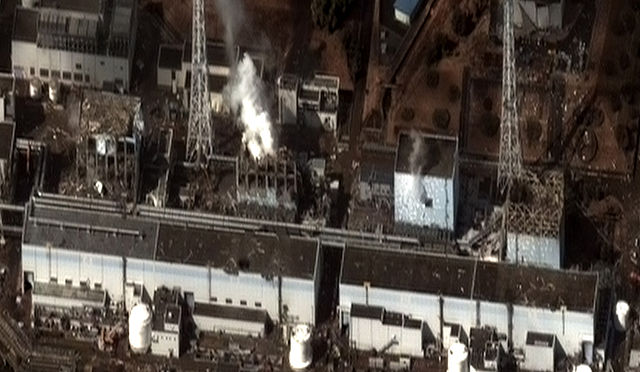
The 2011 Fukushima Daiichi nuclear disaster, the worst nuclear accident in 25 years, displaced 50,000 households after radiation leaked into the air, soil and sea. Radiation checks led to bans of some shipments of vegetables and fish.
A nuclear power phase-out is the discontinuation of usage of nuclear power for energy production. Often initiated because of concerns about nuclear power, phase-outs usually include shutting down nuclear power plants and looking towards fossil fuels and renewable energy. Three nuclear accidents have influenced the discontinuation of nuclear power: the 1979 Three Mile Island partial nuclear meltdown in the United States, the 1986 Chernobyl disaster in the USSR, and the 2011 Fukushima nuclear disaster in Japan.
120,000 people attended an anti-nuclear protest in Bonn, West Germany, on 14 October 1979, following the Three Mile Island accident.
Nuclear power plant at Grafenrheinfeld, Germany. Chancellor Angela Merkel's coalition announced on 30 May 2011, that Germany's 17 nuclear power stations will be shut down by 2022, in a policy reversal following Japan's Fukushima Daiichi nuclear disaster.
Three of the reactors at Fukushima I overheated, causing meltdowns that eventually led to hydrogen explosions, which released large amounts of radioactive gases into the air.
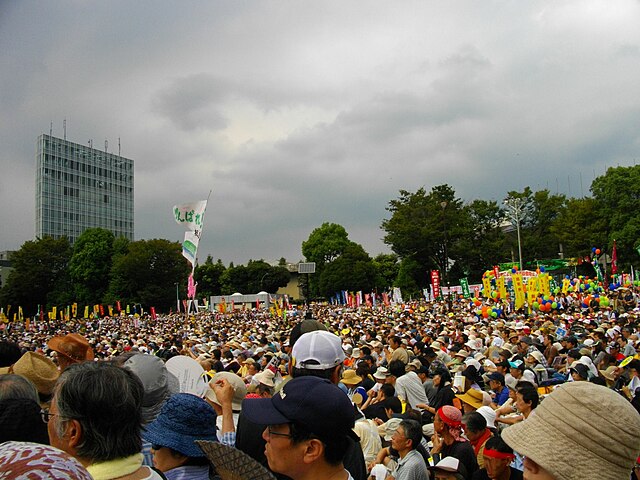
Anti-Nuclear Power Plant Rally on 19 September 2011 at Meiji Shrine complex in Tokyo. Sixty thousand people marched chanting "Sayonara nuclear power" and waving banners, calling on Japan's government to abandon nuclear power, following the Fukushima disaster.