Nuclear power phase-out
Videos
A nuclear power phase-out is the discontinuation of usage of nuclear power for energy production. Often initiated because of concerns about nuclear power, phase-outs usually include shutting down nucl

120,000 people attended an anti-nuclear protest in Bonn, West Germany, on 14 October 1979, following the Three Mile Island accident.

Nuclear power plant at Grafenrheinfeld, Germany. Chancellor Angela Merkel's coalition announced on 30 May 2011, that Germany's 17 nuclear power stations would be shut down by 2022, in a policy reversal following Japan's Fukushima nuclear accident.

The Isar Nuclear Power Plant was taken out of service on 15 April 2023

Three of the reactors at Fukushima I overheated, causing meltdowns that eventually led to hydrogen explosions, which released large amounts of radioactive gases into the air.
Fukushima nuclear accident
Videos
On 11 March 2011, a major nuclear accident started at the Fukushima Daiichi Nuclear Power Plant in Ōkuma, Fukushima, Japan. The direct cause was the Tōhoku earthquake and tsunami, which resulted in el
Nuclear power phase-out
…power: the 1979 Three Mile Island partial nuclear meltdown in the United States, the 1986 Chernobyl disaster in the USSR (now Ukraine), and the 2011 Fukushima nuclear accident in Japan. As of 2026, only two countries have permanently closed all of their formerly functioning nuclear plants: Italy by 1990 and Germany by 2023…
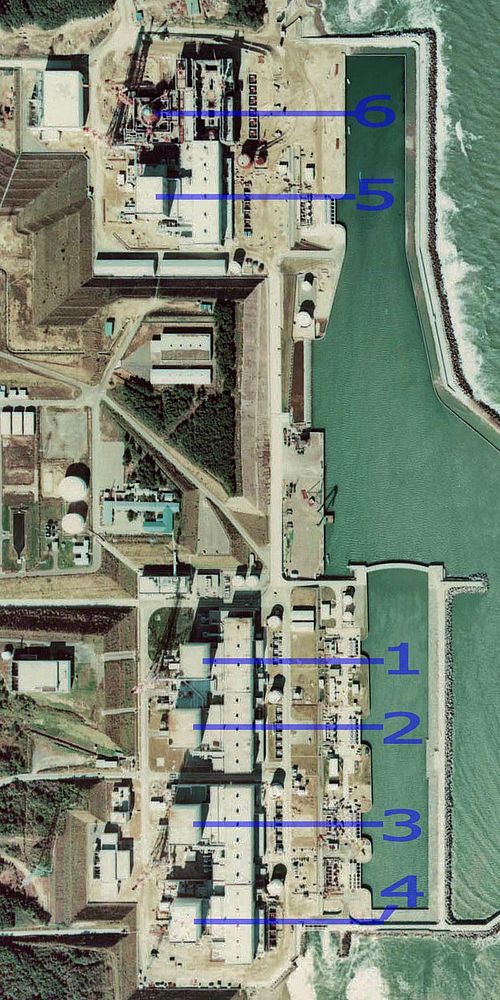
Aerial view of the station in 1975, showing separation between units 5 and 6, and 1–4. Unit 6, completed in 1979, is seen under construction.

Unit 3 after the explosion on 15 March 2011

Top of Primary Containment Vessel, Unit 4