On the Bondage of the Will
Videos
Photos
On the Bondage of the Will by Martin Luther argued that people can achieve salvation or redemption only through God, and could not choose between good and evil through their own willpower. It was published in December 1525. It was his reply to Desiderius Erasmus' De libero arbitrio diatribe sive collatio or On Free Will, which had appeared in September 1524 as Erasmus' first public attack on some of Luther's ideas.

On the Bondage of the Will
Martin Luther
Videos
Photos
Martin Luther was a German priest, theologian, author, hymnwriter, professor, and Augustinian friar. Luther was the seminal figure of the Protestant Reformation, and his theological beliefs form the basis of Lutheranism. He is regarded as one of the most influential figures in Western and Christian history.
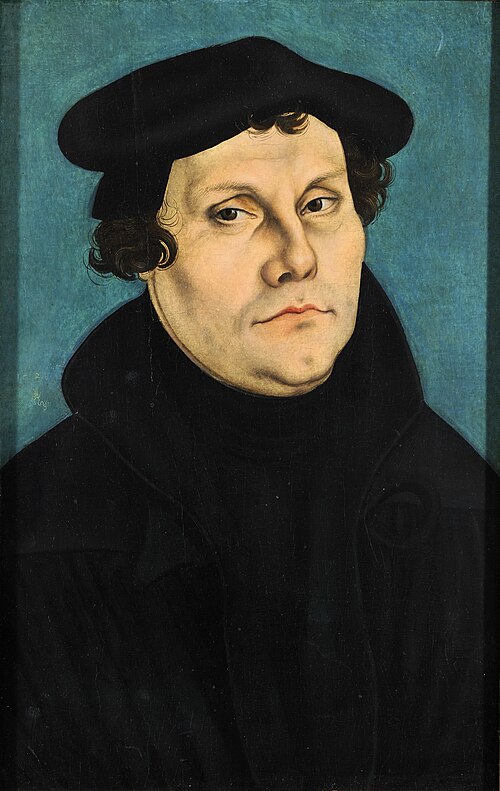
Martin Luther, 1529

Portraits of Luther's parents, Hans and Margarethe Luther, by Lucas Cranach the Elder in 1527

In July 1505, Luther entered St. Augustine's Monastery in Erfurt

Luther's residence at the University of Wittenberg, where he began teaching theology in 1508