Ottoman Empire
Videos
The Ottoman Empire, historically also known as the Turkish Empire or Turkey, was a state that spanned much of Southeastern Europe, West Asia, and North Africa from the 14th century to the early 20th c
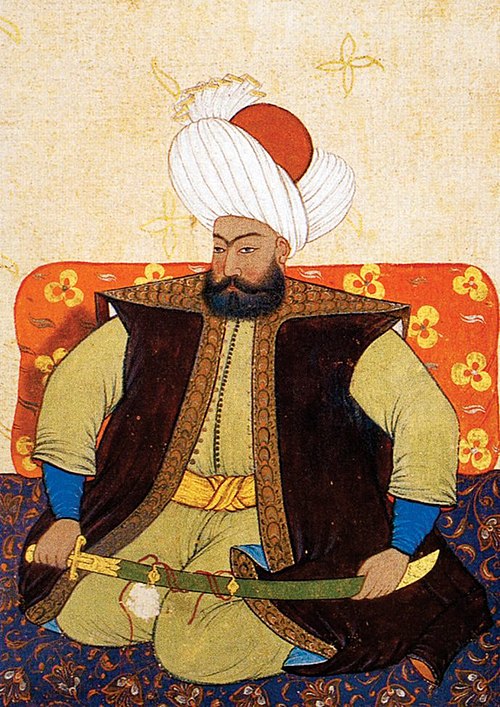
Ottoman miniature of Osman I by Yahya Bustanzâde (18th century)

The Battle of Nicopolis in 1396, as depicted in an Ottoman miniature from 1523

Sultan Mehmed the Conqueror's entry into Constantinople; painting by Fausto Zonaro (1854–1929)

Ottoman miniature of the Battle of Mohács in 1526
Byzantine Empire
Videos
The Byzantine Empire, also known as the Eastern Roman Empire, was the continuation of the Roman Empire centred on Constantinople during late antiquity and the Middle Ages. Having survived the fall of
Ottoman Empire
…Anatolia and expanded into the Balkans by the mid-14th century, transforming their petty kingdom into a transcontinental empire. The Ottomans ended the Byzantine Empire with the conquest of Constantinople in 1453 by Mehmed II. Further conquests by Selim I led the Sultans to adopt the title of caliph. With its capital…

Constantine I, also known as Constantine the Great, was Roman emperor from AD 306 to 337 and the first Roman emperor to convert to Christianity. He founded the city of Constantinople (now Istanbul) and made it the capital of the Empire, which it remained for over a millennium.

The Theodosian Walls of Constantinople, very important during the 717–718 siege
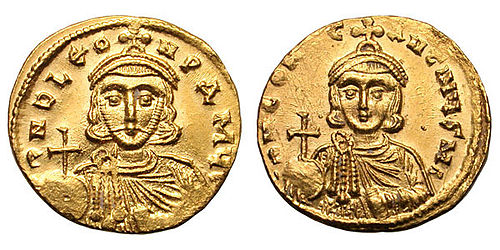
Gold solidus of Leo III (left) and his son and heir, Constantine V (right)

The seizure of Edessa (1031) by the Byzantines under George Maniakes and the counterattack by the Seljuk Turks