Pagoda
Videos
A pagoda is a tiered tower with multiple eaves, common across Asia. Most pagodas were built to have a religious function, most often Buddhist, but sometimes Taoist or Hindu, and were often in or near
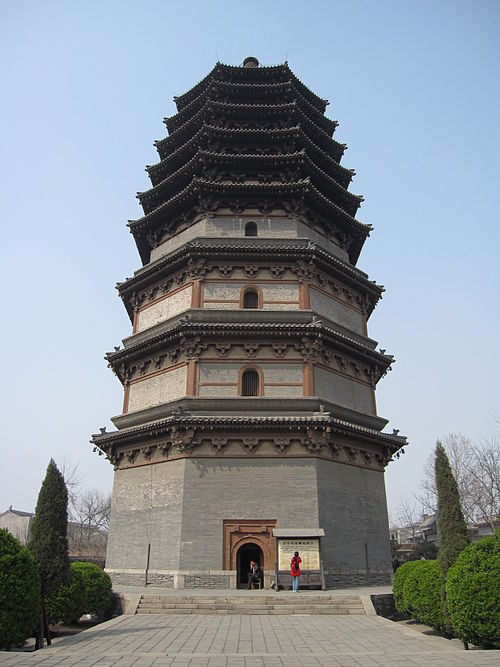
The Lingxiao Pagoda of Zhengding, Hebei, built in 1045 AD during the Song dynasty, with little change in later renovations

The Xumi Pagoda, built in 636 AD during the Tang dynasty.

Floor-support structure in a corner of the Horyuji temple.
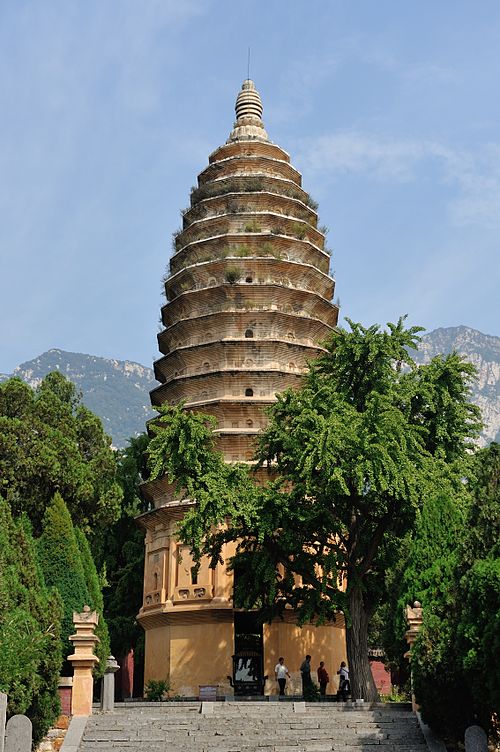
The 40-metre-tall (130 ft) Songyue Pagoda of 523 AD, the oldest extant stone pagoda in China
Shwedagon Pagoda
Videos
The Shwedagon Pagoda, officially named Shwedagon Zedi Daw, and also known as the Great Dagon Pagoda and the Golden Pagoda, Kyaik Dagon is a gilded stupa located in Yangon, Myanmar.
Pagoda
…Phra Pathommachedi the highest pagoda or stupa in Thailand Nakhon Pathom, Thailand Shwedagon Pagoda, a 98-metre (322 ft) gilded pagoda and stupa located in Yangon, Myanmar. It is the most sacred Buddhist pagoda for the Burmese with relics of the past…

Shwedagon Pagoda 2017

View of the Great Dagon Pagoda in 1825, from a print after Lieutenant Joseph Moore of Her Majesty's 89th Regiment, published in a portfolio of 18 views in 1825–1826 lithography

Scene upon the terrace of the Great Dagon Pagoda, 1824–1826

Shwedagon Pagoda in the 1890s