Pahlevani and Zoorkhaneh rituals is the name inscribed by UNESCO for Varzesh-e Pahlavāni or Varzesh-e Bāstāni, a traditional system of athletics and a form of martial arts originally used to train war
The pahlevan Mustafa Tousi holding a pair of meels


Studio Portrait of Three Persian Wrestlers by Antoin Sevruguin, c. 1890

Training push-ups

Pahlevan Namjoo Zurkhaneh in Azadi Street
Rostam
Videos
Rostam or Rustam is an Iranian legendary hero in Iranian mythology and historical tradition. Being the son of Zāl and Rudaba, his life and work was immortalized by the 10th-century Persian poet Ferdow
Pahlevani and zoorkhaneh rituals
…of folk wrestling called koshti pahlavāni. Traditional Iranian wrestling (koshti) dates back to ancient Persia and was said to have been practiced by Rustam, Iranian hero of the Shahnameh epic. Grappling for combat was considered the particular specialty of the zourkhāneh. The original purpose of these…

Rostam killing the White Div from the Baysunghur Shahnameh (1430 AD)
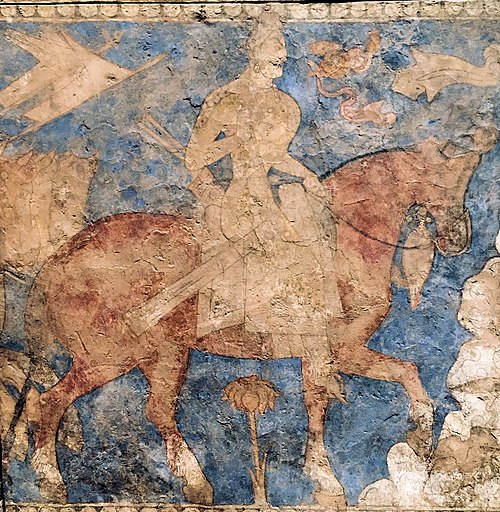
Rostam in the murals of Panjikent, 7-8th century CE. He is represented with an elongated skull, in the fashion of the Alchon Huns.

Rostam kills Esfandiyār. Medieval Persian miniature

Rostam and Kay Kavus in castle