Pantomime
Videos
Pantomime is a type of musical comedy stage production designed for family entertainment, generally combining broad and topical humour and cross-dressing actors with a story more or less based on a we
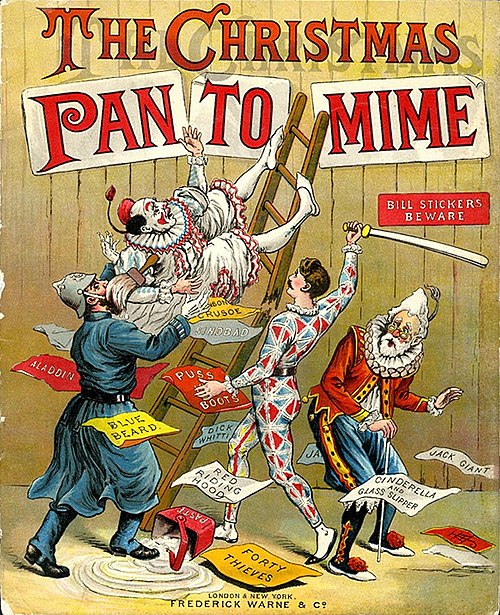
The Christmas Pantomime colour lithograph book cover, 1890, showing harlequinade characters
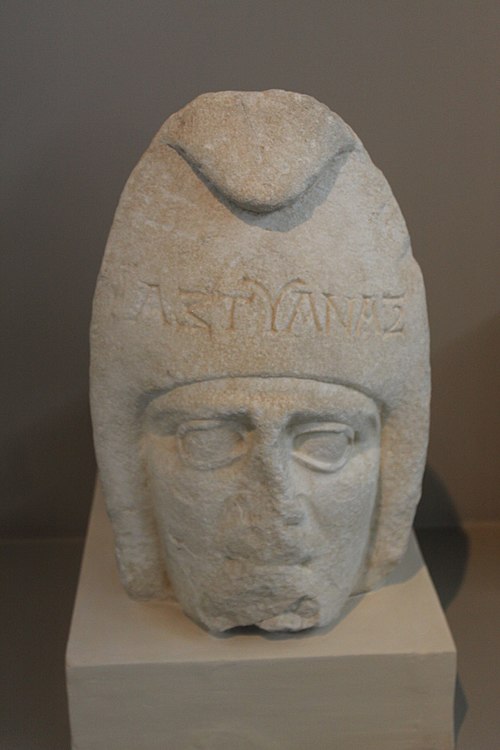
2nd-century Macedonian theatrical sculpture, thought to represent a pantomime's mask

John Rich as Harlequin, c. 1720

Playbill of an English circus and pantomime performance, 1803
Cross-dressing
Videos
Cross-dressing means wearing clothes traditionally or stereotypically associated with a different gender, such as men wearing women's clothes, or women wearing men's clothes. It is a form of dress or
Pantomime
…informally panto) is a type of musical comedy stage production designed for family entertainment, generally combining broad and topical humour and cross-dressing actors with a story more or less based on a well-known fairy tale, fable or folk tale. Pantomime is a participatory form of theatre developed in England…

Irving Berlin's "This Is the Army, Mr. Jones", performed by cross-dressed U.S. Army soldiers (1942)

Frances Benjamin Johnston (right) poses with two cross-dressing friends; the "lady" is identified by Johnston as the illustrator Mills Thompson c. 1890.

Lady Murasaki's classical novel The Tale of Genji from 1008 demonstrates the transgression between masculine and feminine beauty with characters that have no clear gender differentiability.

Male performers putting on female costumes prior to a theatre performance. The figure on the left is wearing a mask and a second mask is lying on the ground between them. The masks represent a female character and they have a kerchief around the hair on the mask. Their costumes also include female clothing such as high boots and a chiton. Ceramic Athenian Pelike. Phiale Painter. Ancient Greek. Around 430 BCE. Museum of Fine Arts, Boston