Perissodactyla
Videos
Perissodactyla, or odd-toed ungulates, is an order of ungulates. The order includes about 17 living species divided into three families: Equidae, Rhinocerotidae, and Tapiridae. They typically have red

The Perissodactyl

The white rhinoceros is the largest living perissodactyl

Seven figures showing the bones, blood vessels, ligaments and arteries of the hoof and pastern of the horse.

Tapirs are the only extant group of perissodactyls with a trunk.
Artiodactyla
Videos
Artiodactyla is an order of placental mammals. Typically, they are ungulates which bear weight equally on two of their five toes. The other three toes are either present, absent, vestigial, or pointin
Perissodactyla
…tapirs retain four toes on their front feet. The nonweight-bearing toes are either present, absent, vestigial, or positioned posteriorly. By contrast, artiodactyls (even-toed ungulates) bear most of their weight equally on four or two (an even number) of the five toes: their third and fourth toes. Another difference…

The Cetartiodactyla

Entelodonts were stocky animals with a large head, and were characterized by bony bumps on the lower jaw.

Sivatherium was a relative of giraffes with deer-like forehead ossicones.
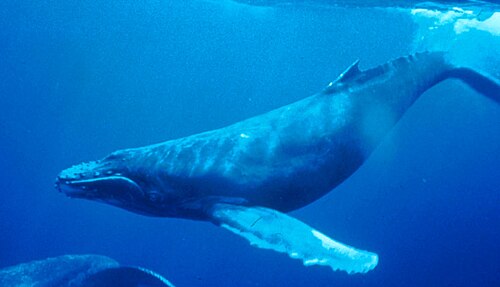
Molecular and morphological studies confirmed that cetaceans are the closest living relatives of hippopotamuses.