Peshwa
Videos
The Peshwa was the second highest office in the Maratha Empire, next in rank and prestige only to that of the Chhatrapati. Initially serving as the appointed prime minister in the Maratha Kingdom, the
Bajirao II Peshwa India

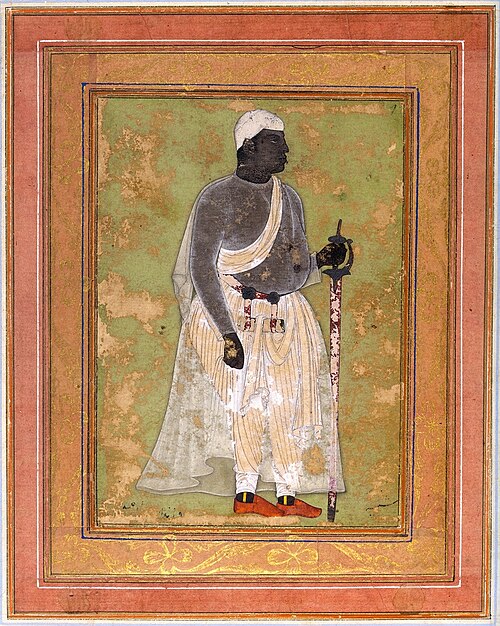
Malik Ambar, Peshwa of the Ahmadnagar Sultanate

Extent of the Maratha Confederacy, 1795

Statue of Balaji Vishwanath, the first Peshwa from the Bhat family, at Shrivardhan, Raigad district, Maharashtra, India.
Bajirao I
Videos
Bajirao I was the 7th Peshwa of the Maratha Empire.
Peshwa
…Chhatrapati. Initially serving as the appointed prime minister in the Maratha Kingdom, the office became hereditary when Shahu gave the seat of Peshwa to Bajirao Ballal. During the reign of Shahu, the office of Peshwas were handed more responsibilities to keep the Jagirdars and Vatandars of the Maratha Empire from…

Portrait of Bajirao I, 18th-19th century

Bajirao I's handwriting in Modi script.

Bajirao and Malhar Rao Holkar c. 18th century

Equestrian statue of Peshwa Bajirao I outside Shaniwar Wada, Pune