Philosophy of science
Videos
Philosophy of science is the branch of philosophy concerned with the foundations, methods, and implications of science. Amongst its central questions are the difference between science and non-science
In formulating 'the problem of induction', David Hume devised one of the most pervasive puzzles in the philosophy of science.


Karl Popper in the 1980s. Popper is credited with formulating 'the demarcation problem', which considers the question of how we distinguish between science and pseudoscience.

Seen through a telescope, the Einstein cross seems to provide evidence for five different objects, but this observation is theory-laden. If we assume the theory of general relativity, the image only provides evidence for two objects.

Francis Bacon's statue at Gray's Inn, South Square, London
Philosophy
Videos
Philosophy is a systematic study of general and fundamental questions concerning topics like existence, knowledge, mind, reason, language, and value. It is a rational and critical inquiry that reflect
Philosophy of science
…Philosophy of science (also theory of science) is the branch of philosophy concerned with the foundations, methods, and implications of science. Amongst its central questions are the difference between science and non-science…
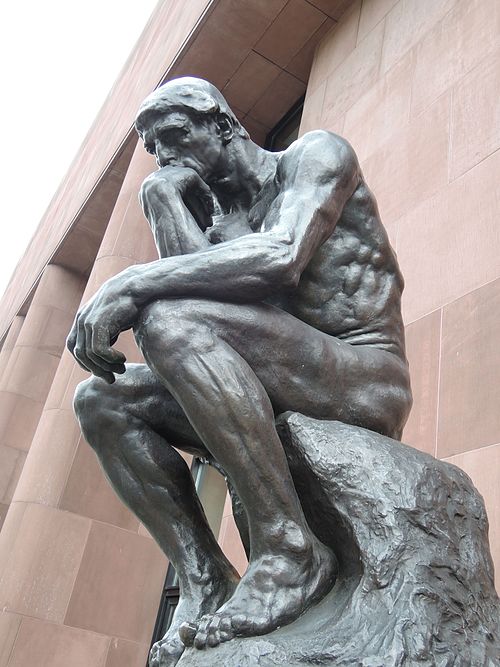
The statue The Thinker by Auguste Rodin is a symbol of philosophical thought.

Aristotle was a major figure in ancient philosophy and developed a comprehensive system of thought including metaphysics, logic, ethics, politics, and natural science.
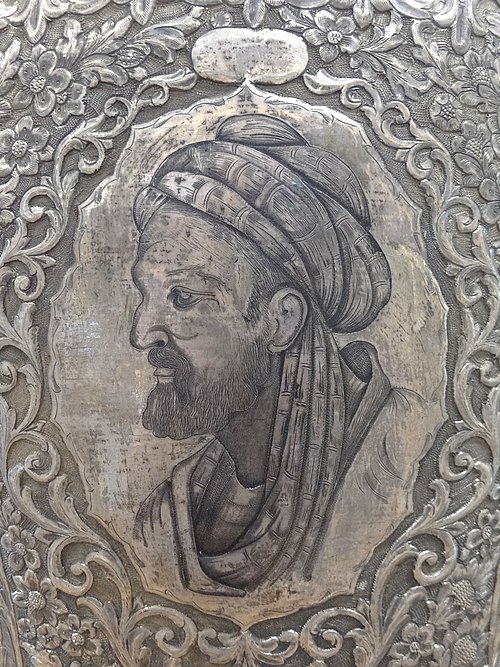
Portrait of Avicenna, one of the most influential philosophers of the Islamic Golden Age

The teachings of Confucius on ethics and society shaped subsequent Chinese philosophy.