Pigment
Videos
A pigment is a chemical compound that gives a substance or organism color, or is used by humans to add or alter color or change visual appearance. Pigments are nearly or completely insoluble and chemi

Pigments for sale at a market stall in Goa, India
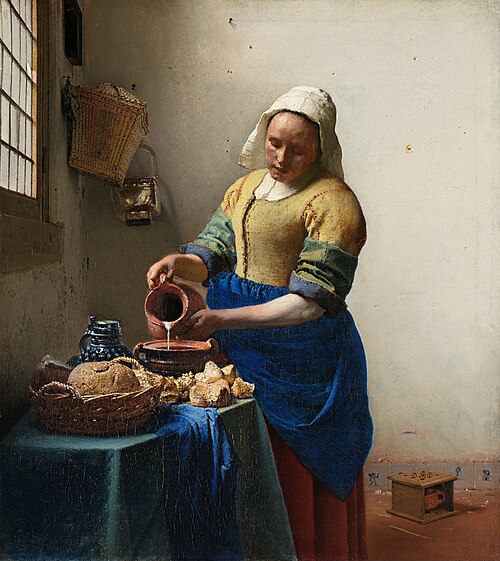
The Milkmaid by Johannes Vermeer (c. 1658). Vermeer was lavish in his choice of expensive pigments, including lead-tin yellow, natural ultramarine, and madder lake, as shown in the vibrant painting.
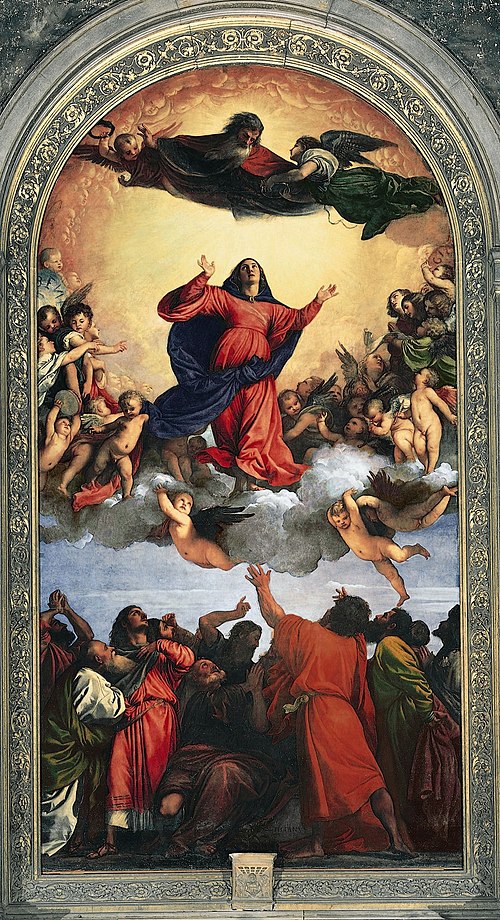
Titian used the historic pigment vermilion to create the reds in the oil painting of Assunta, completed c. 1518.

Miracle of the Slave by Tintoretto (c. 1548). The son of a master dyer, Tintoretto used Carmine Red Lake pigment, derived from the cochineal insect, to achieve dramatic color effects.
Color
Videos
Color is the visual perception produced by the activation of the different types of cone cells in the eye caused by light. Though color is not an inherent property of matter, color perception is relat
Pigment
…A pigment is a chemical compound that gives a substance or organism color, or is used by humans to add or alter color or change visual appearance. Pigments are nearly or completely insoluble and chemically unreactive in water…

Colored pencils

The bright colors of peacock feathers are caused by structural coloration