Pit fired pottery
Videos
Pit firing is the oldest known method for the firing of pottery. Examples have been dated as early as 29,000–25,000 BCE, while the earliest known kiln dates to around 6000 BCE, and was found at the Ya

Pottery firing mound in Kalabougou, Mali, a very large form of firing pit.

Removing the fired pots, Kalabougou, 2010

María and Julián Martinez pit firing blackware pottery at San Ildefonso Pueblo in New Mexico (c.1920)
Earthenware
Videos
Earthenware is glazed or unglazed nonvitreous pottery that has normally been fired below 1,200 °C. Basic earthenware, often called terracotta, absorbs liquids such as water. However, earthenware can b
Pit fired pottery
…At around 1,100 °C (2,010 °F) the maximum temperatures are moderate compared to other techniques used for pottery, and the pottery produced counts as earthenware. After cooling, pots are removed and cleaned; there may be patterns and colours left by ash and salt deposits. Pots may then be waxed and buffed to…
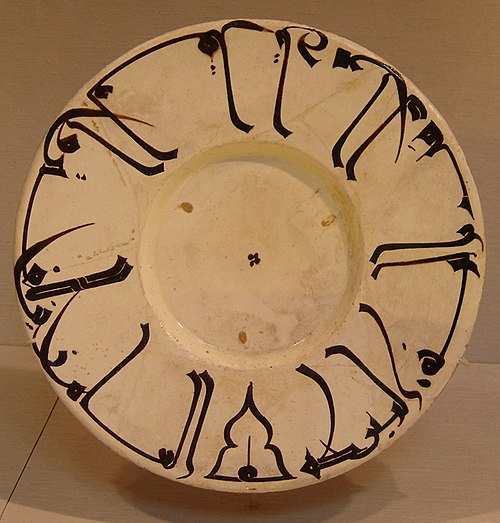
Painted, incised and glazed earthenware. Dated 10th century, Iran. New York Metropolitan Museum of Art

Top section of a water jug or habb. Earthenware. Late 12th-early 13th century Iraq or Syria. Brooklyn Museum

Tea served in a kulhar, which are disposable earthenware teacups in South Asia

Terracotta flower pots with terracotta tiles in the background