Polar regions of Earth
Videos
The polar regions, also called the frigid zones or polar zones, of Earth are Earth's polar ice caps, the regions of the planet that surround its geographical poles, lying within the polar circles. These high latitudes are dominated by floating sea ice covering much of the Arctic Ocean in the north, and by the Antarctic ice sheet on the continent of Antarctica and the Southern Ocean in the south.

North polar region polar bears
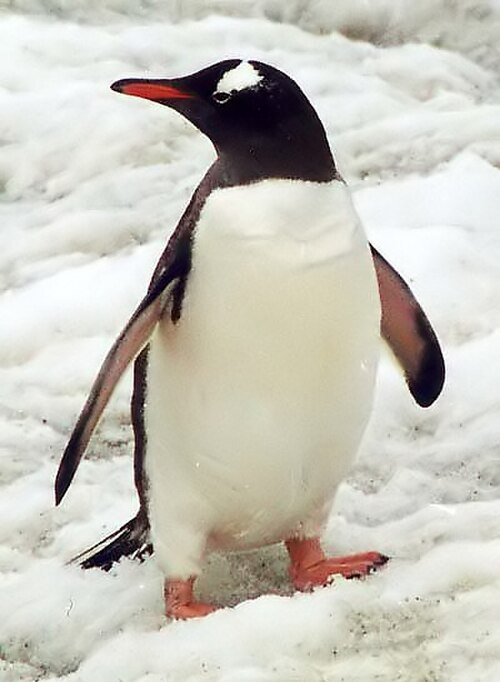
South polar region penguin
Winter
Videos
Winter is the coldest and darkest season of the year in polar and temperate climates. It occurs after autumn and before spring. The tilt of Earth's axis causes seasons; winter occurs when a hemisphere is oriented away from the Sun. Different cultures define different dates as the start of winter, and some use a definition based on weather.

Forest covered in snow during winter

In the mid-latitudes and polar regions, winter is associated with snow and ice.

In the Southern Hemisphere, winter extends from June to September, pictured in Caxias do Sul in the southern highlands of Brazil.

Sea ice in the Port of Hamburg, Germany