Portuguese Empire
Videos
The Portuguese Empire, c. 1415 to 1999, was the first and longest lasting of the European colonial empires. Initiated during the Age of Discovery, at one point territories included parts of the Americ

The Conquest of Ceuta on 21 August 1415, led by Henry the Navigator (1394–1460), marked the beginning of the Portuguese Empire.
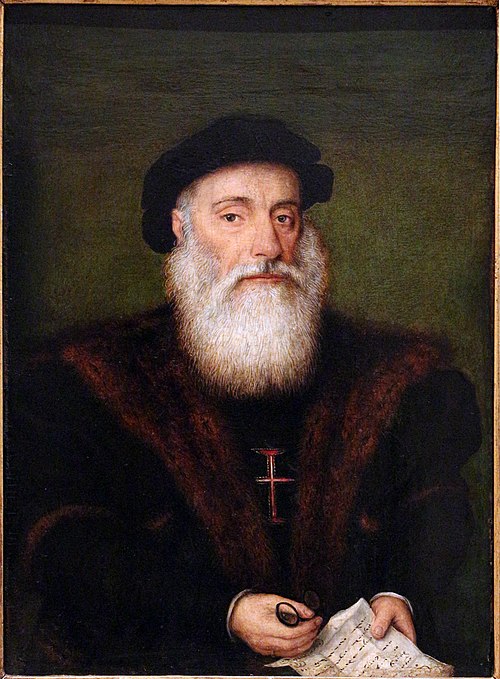
Vasco da Gama (1469–1524)

The carrack Santa Catarina do Monte Sinai epitomised the might and the force of the Portuguese Armada.

16th century Portuguese illustration from the Códice Casanatense, depicting a Portuguese nobleman with his retinue in India
Colonial empire
Videos
A colonial empire is a state engaging in colonization, and possibly establishing or maintaining colonies, infused with some form of coloniality and colonialism. Such states can expand contiguous as we
Portuguese Empire
…The Portuguese Empire, c. 1415 to 1999, was the first and longest lasting of the European colonial empires. Initiated during the Age of Discovery, at one point territories included parts of the Americas and Africa, along with ports and trading posts throughout…

Landing of Columbus