Presbyterianism
Videos
Presbyterianism is a historically Reformed Protestant tradition named after its form of church government by representative assemblies of elders, known as "presbyters". Though other Reformed churches

Sanctuary of the Fourth Presbyterian Church (Chicago)

Iona Abbey in Scotland, founded by Saint Columba
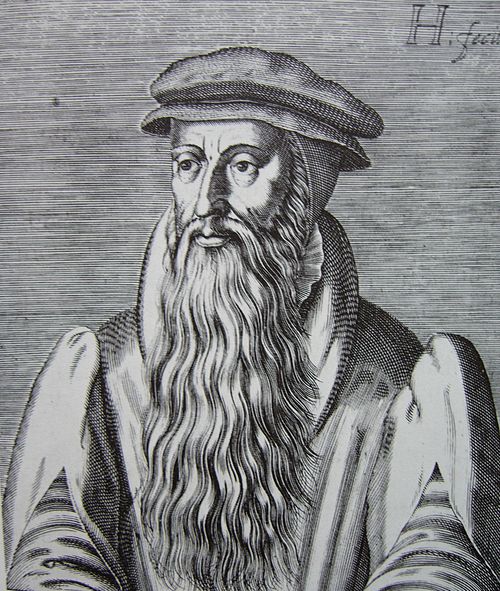
John Knox, leader of the 16th century Scottish Reformation

Painting by John Henry Lorimer, The Ordination of Elders in a Scottish Kirk, 1891, now in the National Gallery of Scotland
John Calvin
Videos
John Calvin was a French theologian, pastor and reformer in Geneva during the Protestant Reformation. He was the principal figure in the development of the system of Christian theology later called Ca
Presbyterianism
…New Zealand and South Africa, mostly by Scots and Scots-Irish immigrants. Scotland's Presbyterian denominations hold to the Reformed theology of John Calvin and his immediate successors, although there is a range of theological views within contemporary Presbyterianism. Local congregations of churches that…
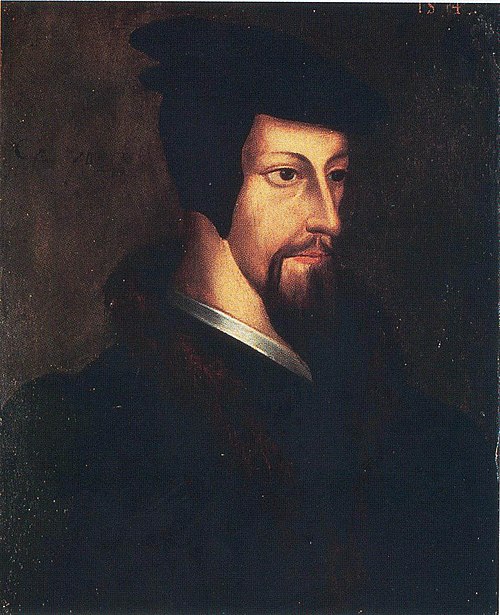
Calvin was originally interested in the priesthood, but he changed course to study law in Orléans and Bourges. Painting titled Portrait of Young John Calvin from the collection of the Library of Geneva.

William Farel was the reformer who persuaded Calvin to stay in Geneva. 16th-century painting. In the Bibliothèque Publique et Universitaire, Geneva.

Saint Nicholas Church, Strasbourg, where Calvin preached in 1538. The building was architecturally modified in the 19th century.

Martin Bucer invited Calvin to Strasbourg after he was expelled from Geneva. Illustration by Jean-Jacques Boissard.