Prize (law)
Videos
In admiralty law, prizes are equipment, vehicles, vessels, and cargo captured during armed conflict. The most common use of prize in this sense is the capture of an enemy ship and its cargo as a prize

Blanche towing Pique, a French frigate captured as a British prize in 1795
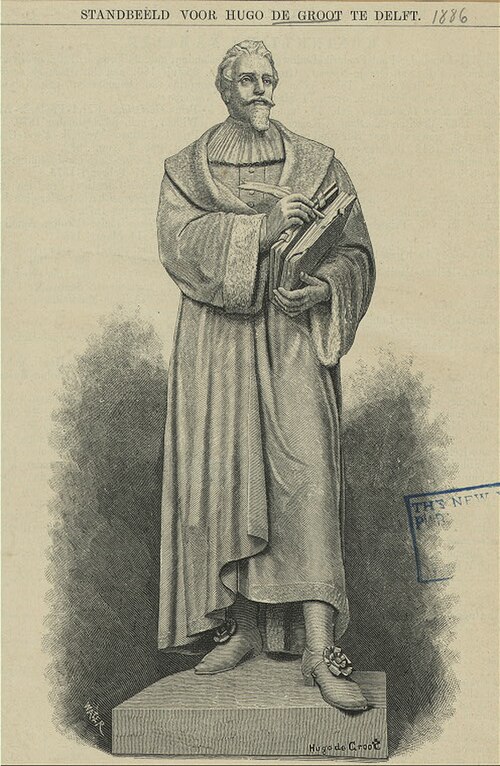
Hugo de Groot, known as Grotius, a 17th-century Dutch academic prodigy known as the Mozart of international law, who wrote the 1604 Commentary on the Law of Prize and Booty

1778 painting by Francis Holman depicting a Royal Navy brig with captured American prizes

Captain Rogers of the Windsor Castle packet of 150 tons & 28 men capturing the Jeune Richard French privateer of 250 tons & 92 men, 1807
Letter of marque
Videos
A letter of marque and reprisal was a government license in the Age of Sail that authorized a private person, known as a privateer or corsair, to attack and capture vessels of a foreign state at war w
Prize (law)
…cargo as a prize of war. In the past, the capturing force would commonly be allotted a share of the worth of the captured prize. Nations often granted letters of marque that would entitle private parties to capture enemy property, usually ships. Once the ship was secured on friendly territory, it would be made the…

Copy of a letter of marque and reprisal issued by Maurice, Prince of Orange to Captain Johan de Moor from Vlissingen for South America, 1 June 1618, page 1
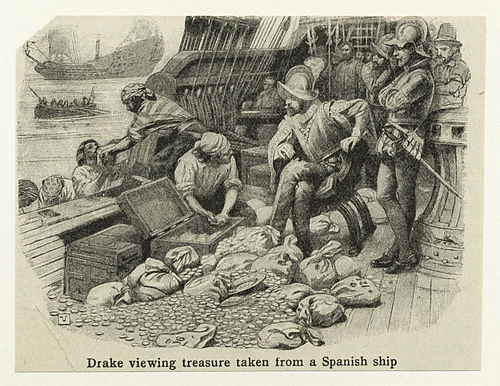
Drake viewing treasure taken from a Spanish ship, print courtesy New York Public Library

The body of Captain William Kidd hanging in a gibbet over the Thames, the result of confusion over whether Captain Kidd took prizes legally under a letter of marque, or illegally as a pirate.

Gari Melchers War Highsmith