Prometheus
Videos
In Greek mythology, Prometheus is a Titan responsible for aiding and creating humanity in its earliest days. He defied the Olympian gods by taking fire from The Gods and Mount Olympus and giving it to

Prometheus tortured by the eagle (black-figure kylix, 560-550 BC, Vatican Museums)

Prometheus Brings Fire by Heinrich Friedrich Füger. Prometheus brings fire to mankind as told by Hesiod, with its having been hidden as revenge for the trick at Mecone.
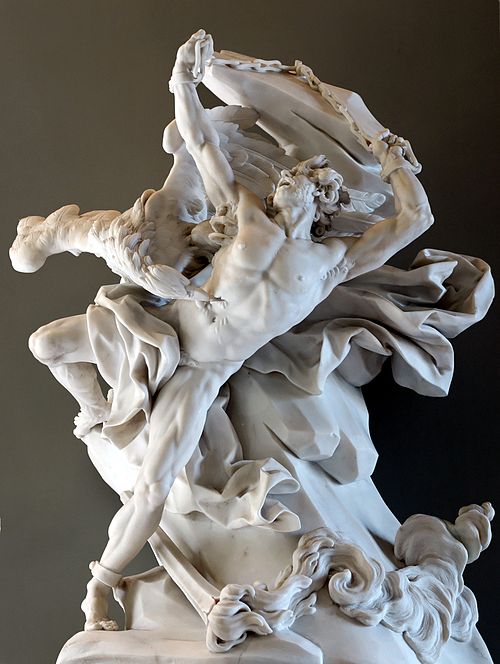
Prometheus depicted in a sculpture by Nicolas-Sébastien Adam, 1762 (Louvre)
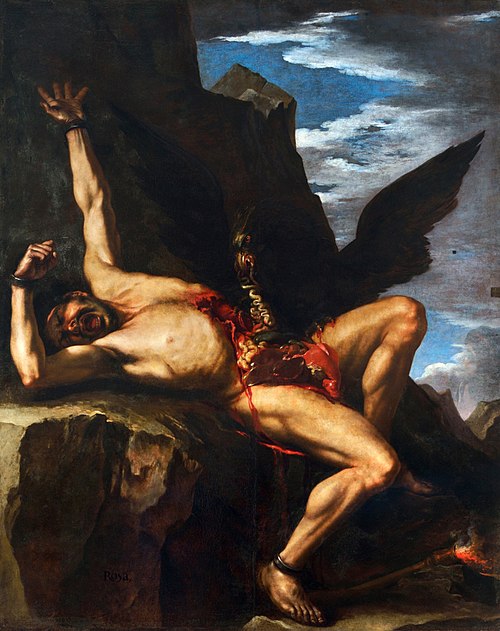
The Torture of Prometheus, painting by Salvator Rosa (1646–1648)
Heracles
Videos
Heracles, born Alcaeus or Alcides, was a divine hero in Greek mythology, the son of Zeus and Alcmene, and the foster son of Amphitryon. He was a descendant of Perseus, another son of Zeus.
Prometheus
…next day in an ongoing cycle. According to several major versions of the myth, most notably that of Hesiod, Prometheus was eventually freed by the hero Heracles. The struggle of Prometheus is located by some at either Mount Elbrus or Mount Kazbek, two volcanic promontories in the Caucasus Mountains beyond which…
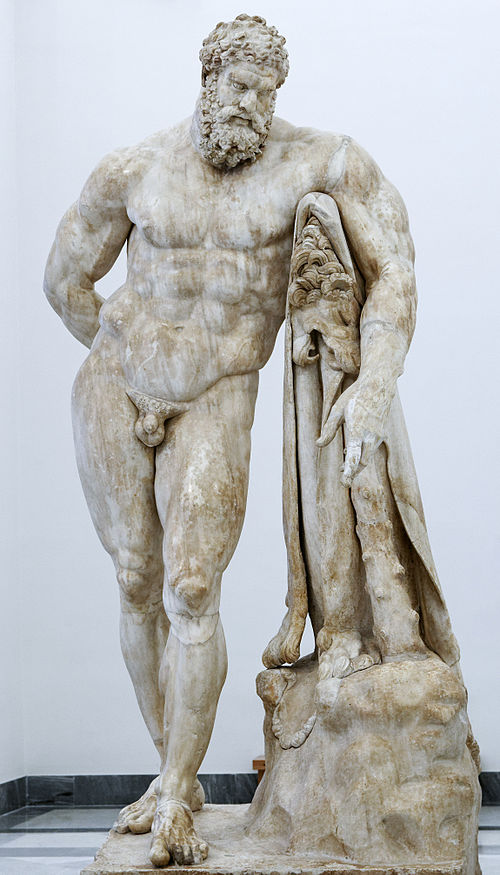
One of the most famous depictions of Heracles, Farnese Hercules, Roman marble statue on the basis of an original by Lysippos, 216 CE. National Archaeological Museum, Naples, Italy
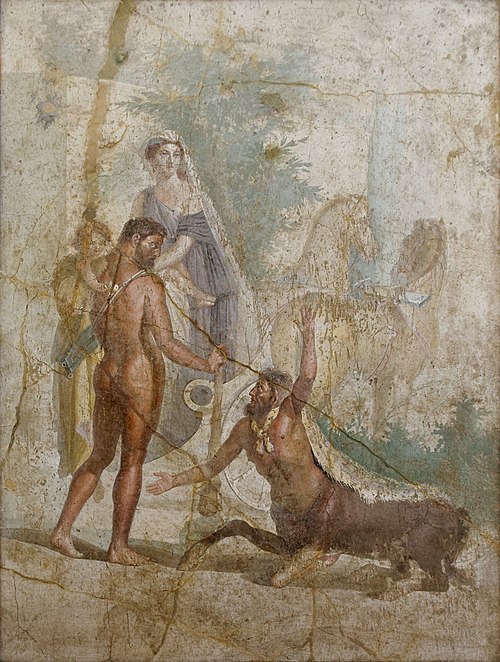
Heracles carrying his son Hyllus looks at the centaur Nessus, who is about to carry Deianira across the river on his back. Antique fresco from Pompeii.

Greek mythology influenced the Etruscans. This vase at Caere shows King Eurytus of Oechalia and Heracles in a symposium. Krater of corinthian columns called 'Krater of Eurytion', c. 600 BCE

Heracles strangling snakes (detail from an Attic red-figured stamnos, c. 480–470 BCE)