The Provisional Irish Republican Army, officially known as the Irish Republican Army and informally known as the Provos, was an Irish republican paramilitary force that sought to end British rule in N
Ruairí Ó Brádaigh, who was twice chief-of-staff of the pre-1969 IRA during the Border campaign of 1956–1962, was a member of the first Army Council of the Provisional IRA in 1969.

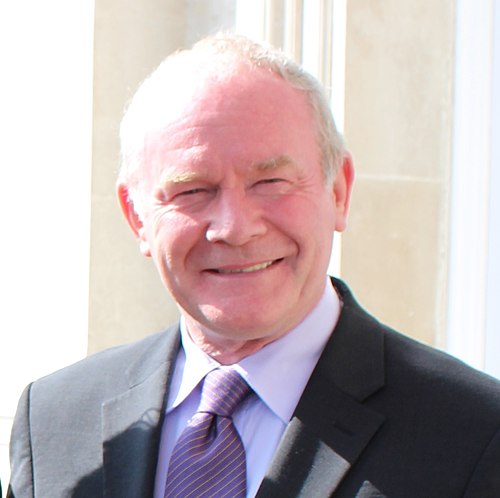
Martin McGuinness was part of an IRA delegation which took part in peace talks with British politician William Whitelaw, the Secretary of State for Northern Ireland, in July 1972.

Memorial to the victims of the Birmingham pub bombings, which killed twenty-one people in November 1974

An IRA political poster from the 1980s, featuring a quote from Bobby Sands written on the first day of the 1981 hunger strike
The Troubles
Videos
The Troubles were an ethno-nationalist conflict in Northern Ireland that lasted for about 30 years from the late 1960s to 1998. Also known internationally as the Northern Ireland conflict, it began in
Provisional Irish Republican Army
…and bring about an independent socialist republic, which would encompass all of Ireland. It was the most active republican paramilitary group during the Troubles. It argued that the all-island Irish Republic continued to exist, and it saw itself as that state's army, the sole legitimate successor to the original…

The Battle of the Boyne (12 July 1690) by Jan van Huchtenburg
![Protestant demonstrators burning an effigy of Daniel O’Connell, an incident that sparked the Belfast riots of 1864[self-published source?]](https://upload.wikimedia.org/wikipedia/commons/thumb/8/81/Walter_Paget_-_Scene_in_the_Belfast_Riots%2C_1864.jpg/500px-Walter_Paget_-_Scene_in_the_Belfast_Riots%2C_1864.jpg)
Protestant demonstrators burning an effigy of Daniel O’Connell, an incident that sparked the Belfast riots of 1864[self-published source?]

The Ulster Covenant was issued in protest against the Third Home Rule Bill in September 1912.
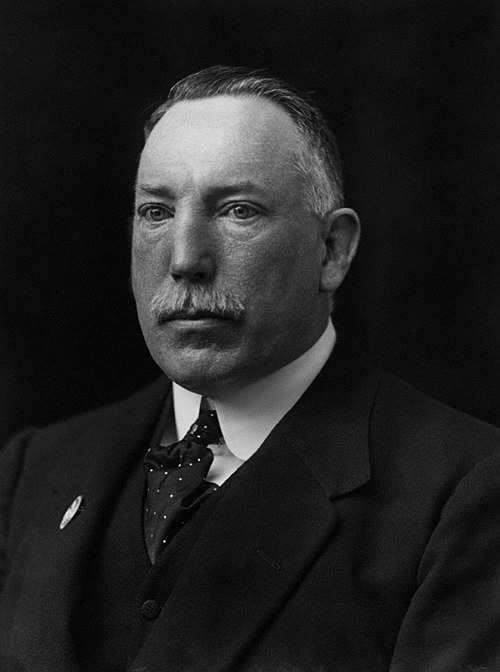
Sir James Craig, 1st Prime Minister of Northern Ireland, who said, "All I boast is that we are a Protestant Parliament and Protestant State"