Pterygotus is a genus of giant predatory eurypterid, a group of extinct aquatic arthropods. Fossils of Pterygotus have been discovered in deposits ranging in age from Middle Silurian to Late Devonian, and have been referred to several different species. Fossils have been recovered from four continents; Australia, Europe, North America and South America, which indicates that Pterygotus might have had a nearly cosmopolitan (worldwide) distribution. The type species, P. anglicus, was described by Swiss naturalist Louis Agassiz in 1839, who gave it the name Pterygotus, meaning "winged one". Agassiz mistakenly believed the remains were of a giant fish; he would only realize the mistake five years later in 1844.
Pterygotus
Painting painted in 1912 by Charles R. Knight depicting various eurypterids discovered in New York. The painting includes Dolichopterus, Eusarcana, Stylonurus, Eurypterus and Hughmilleria. Pterygotus can be seen in the center-left.
Illustration of fossils of P. anglicus, including three cheliceral claws.
Cheliceral claw of P. barrandei.
Eurypterids, often informally called sea scorpions, are a group of extinct arthropods that form the order Eurypterida. The earliest known eurypterids date to the Darriwilian stage of the Ordovician period 467.3 million years ago. The group is likely to have appeared first either during the Early Ordovician or Late Cambrian period. With approximately 250 species, the Eurypterida is the most diverse Paleozoic chelicerate order. Following their appearance during the Ordovician, eurypterids became major components of marine faunas during the Silurian, from which the majority of eurypterid species have been described. The Silurian genus Eurypterus accounts for more than 90% of all known eurypterid specimens. Though the group continued to diversify during the subsequent Devonian period, the eurypterids were heavily affected by the Late Devonian extinction event. They declined in numbers and diversity until becoming extinct during the Permian–Triassic extinction event 251.9 million years ago.
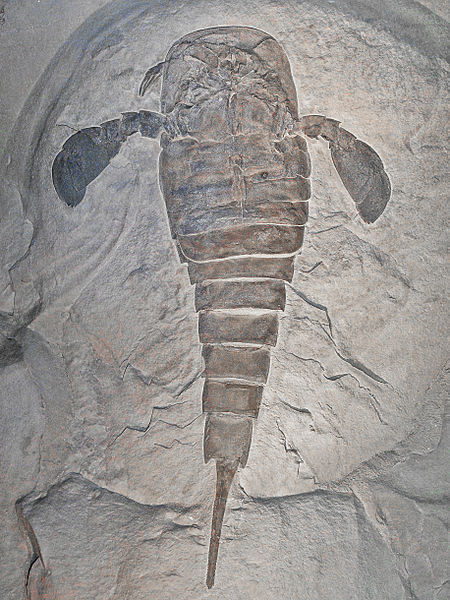
Eurypterid
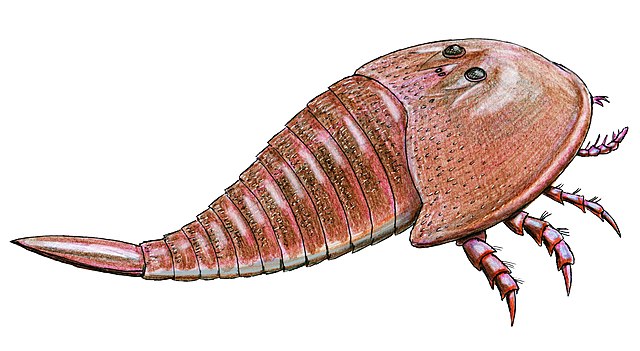
Illustration of Hibbertopterus, a large stylonurine (lacking swimming paddles) eurypterid
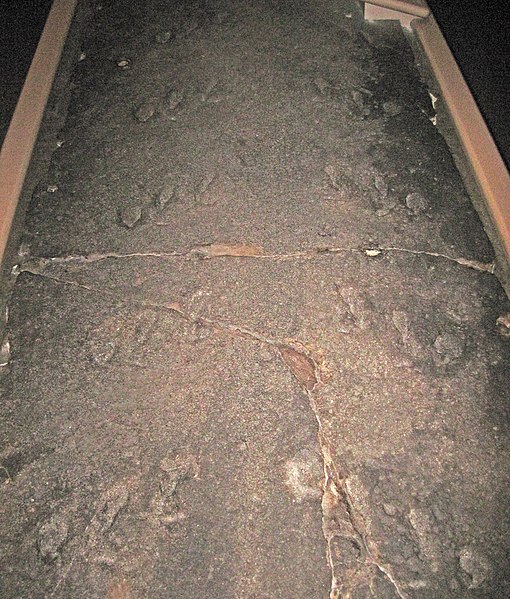
The holotype of Palmichnium kosinkiorum, containing the largest eurypterid footprints known
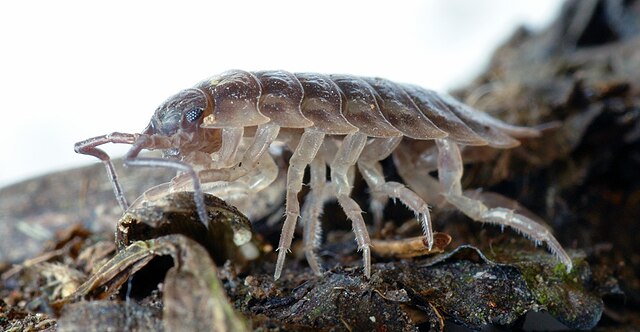
The supposed "gill tracts" of eurypterids have been compared to the air-breathing pseudotracheae present in the posterior legs of modern isopods, such as Oniscus (pictured).