Racism in the United States
Videos
Racism has been reflected in discriminatory laws, practices, and actions against racial or ethnic groups throughout the history of the United States. Since the early colonial era, White Americans have
Scars on an enslaved man, Peter, April 2, 1863, Baton Rouge, Louisiana


A group of white men pose for a 1919 photograph as they stand over the body of the Black lynching victim Will Brown before they decide to mutilate and burn them during the Omaha race riot of 1919 in Omaha, Nebraska. Photographs and postcards of lynchings were popular souvenirs in the U.S.

White tenants seeking to prevent Blacks from moving into the housing project erected this sign. Detroit, 1942.
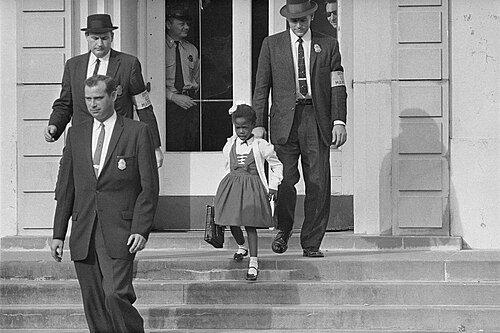
Due to threats and violence against her, U.S. Marshals escorted 6-year-old Ruby Bridges to and from the previously whites only William Frantz Elementary School in New Orleans, 1960. As soon as Bridges entered the school, white parents pulled their children out.
Civil rights movement
Videos
The civil rights movement was a social movement in the United States from 1954 to 1968 which aimed to abolish legalized racial segregation, discrimination, and disenfranchisement in the country, which
Racism in the United States
…who qualified under the 1924 Act. Finally, in 1948, a judicial decision forced the remaining states to withdraw their prohibition on Indian voting. The civil rights movement resulted in strong Congressional enforcement of the right to vote regardless of race, starting with the Voting Rights Act of 1965. Though this greatly…

The 1963 March on Washington participants and leaders marching from the Washington Monument to the Lincoln Memorial
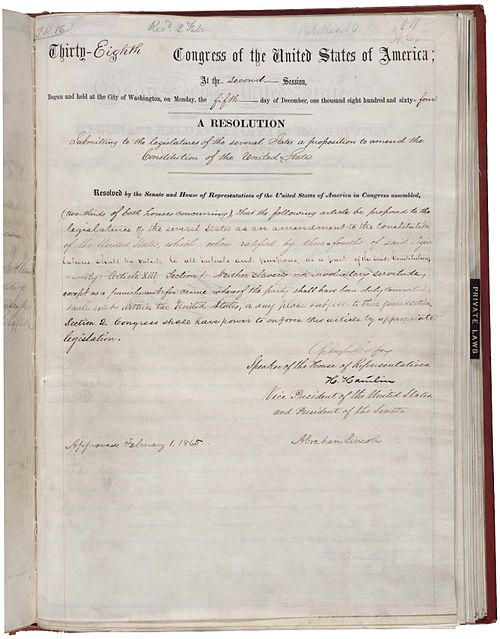
13th Amendment in the National Archives, bearing the signature of Abraham Lincoln

The mob-style lynching of Will James, Cairo, Illinois, 1909