Radar cross section
Videos
Photos
Radar cross-section (RCS), denoted σ, also called radar signature, is a measure of how detectable an object is by radar. A larger RCS indicates that an object is more easily detected.

The B-2 Spirit was one of the first aircraft to successfully become 'invisible' to radar.

A Chengdu J20 incorporating stealth technology

Detail of the Forbin, a modern frigate of the French navy. The faceted appearance reduces radar cross-section for stealth.
Radar
Videos
Photos
Radar is a system that uses radio waves to determine the distance (ranging), direction, and radial velocity of objects relative to the site. It is a radiodetermination method used to detect and track aircraft, ships, spacecraft, guided missiles, motor vehicles, map weather formations, and terrain.
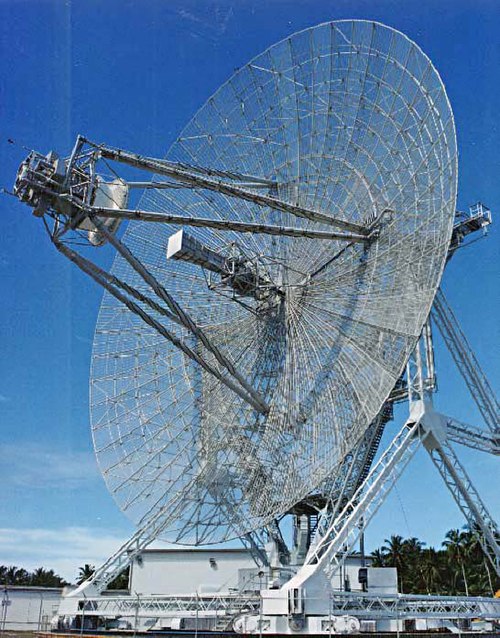
Long-range radar antenna, used to track space objects and ballistic missiles

Radar of the type used for detection of aircraft. It rotates steadily, sweeping the airspace with a narrow beam.
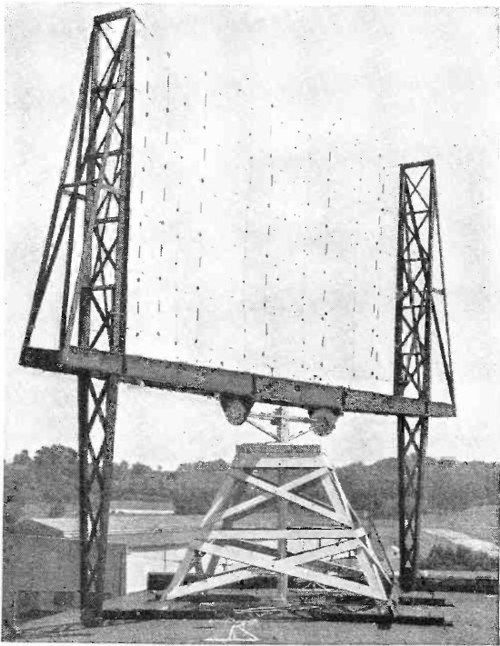
Experimental radar antenna, US Naval Research Laboratory, Anacostia, D. C., from the late 1930s (photo taken in 1945)

The first workable unit built by Robert Watson-Watt and his team