Royal Society
Videos
The Royal Society of London for Improving Natural Knowledge, commonly referred to as the Royal Society, is a learned society and the United Kingdom's national academy of sciences. The society fulfils

Entrance to the Royal Society at 6–9 Carlton House Terrace, London

John Evelyn, who helped to found the Royal Society

Mace granted by Charles II

Sir Isaac Newton FRS, President of Royal Society, 1703–1727. Newton was one of the earliest Fellows of the Royal Society, elected in 1672.
Fellow of the Royal Society
Videos
Fellowship of the Royal Society is an award granted by the Fellows of the Royal Society of London to individuals who have made a "substantial contribution to the improvement of natural knowledge, incl
Royal Society
…of the society, who are themselves elected by existing Fellows. As of 2020, there are about 1,700 fellows, allowed to use the postnominal title FRS (Fellow of the Royal Society), with up to 73 new fellows appointed each year from a pool of around 800 candidates. There are also royal fellows, honorary fellows and foreign members…

Headquarters of the Royal Society in Carlton House Terrace in London

Elected in 1672, Isaac Newton was one of the earliest fellows of the Royal Society.
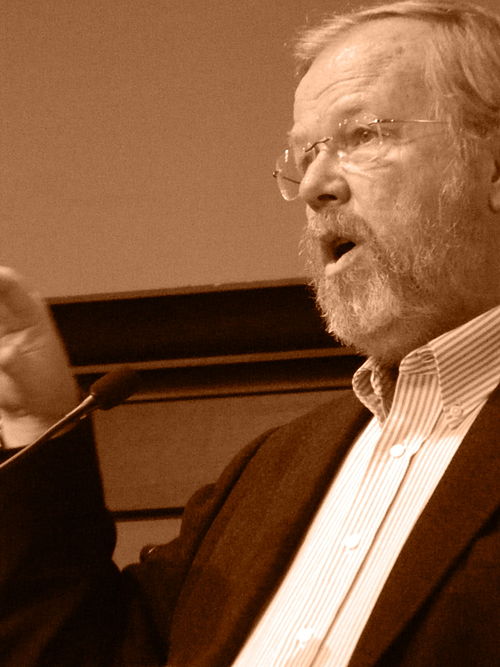
Bill Bryson, elected as an honorary member in 2013

Jennifer Doudna, elected as a Foreign Member in 2016