Rumford Prize
Videos
Founded in 1796, the Rumford Prize, awarded by the American Academy of Arts and Sciences, is one of the oldest scientific prizes in the United States. The prize recognizes contributions by scientists
Benjamin Thompson, whose grant paid for the formation of the Rumford Prize

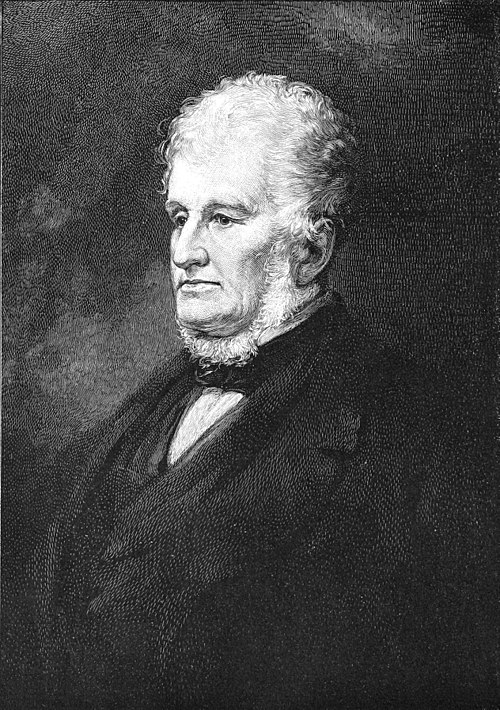
Robert Hare, first recipient of the prize in 1839

Samuel Pierpont Langley, 1886 recipient

Thomas Alva Edison, 1895 recipient
Charles H. Townes
Videos
Charles Hard Townes was an American physicist. Townes worked on the theory and application of the maser, for which he obtained the fundamental patent, and other work in quantum electronics associated
Rumford Prize
…include Thomas Alva Edison, for his investigations in electric lighting; Enrico Fermi, for his studies of radiation theory and nuclear energy; and Charles H. Townes, for his development of the maser and the laser. One man, Samuel Pierpont Langley, has won both the Rumford Prize and the related Rumford Medal (the…

Townes in 1983
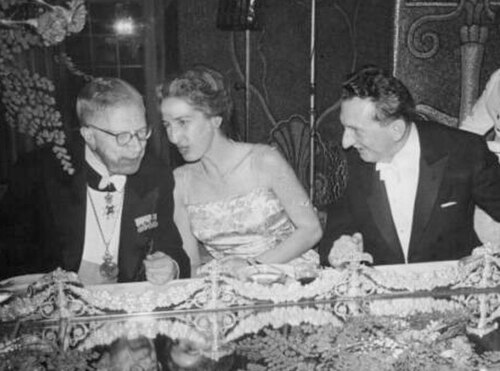
King Gustaf VI Adolf, Frances Townes and Alexander Prokhorov at the Nobel Prize banquet in 1964

Daughters of Townes in Sweden in 1964