Sabazios
Videos
Sabazios is a deity originating in Asia Minor. He is the horseman and sky father god of the Phrygians and Thracians.
Bronze hand used in the worship of Sabazios (British Museum). Roman 1st–2nd century CE. Hands decorated with religious symbols were designed to stand in sanctuaries or, like this one, were attached to poles for processional use. Another similar bronze hand found in the 16th/17th century in Tournai, Belgium, is also in the British Museum.


This copper alloy Roman hand of Sabazios was used in ritual worship. Few hands remain in collections today. Walters Art Museum, Baltimore.

Thracian horseman, National Museum of Romanian History

View from various angles.
Phrygians
Videos
The Phrygians were an ancient Indo-European speaking people who inhabited central-western Anatolia in antiquity.
Sabazios
…Sabázios, modern pronunciation Savázios; alternatively, Sabadios) is a deity originating in Asia Minor. He is the horseman and sky father god of the Phrygians and Thracians. Sabazios gained prominence across the Roman Empire, particularly favored in the Central Balkans due to Thracian influence. Scholars have…

Phrygians

Phrygian soldiers. Detail from a reconstruction of a Phrygian building at Pazarlı, Çorum, Turkey, 7th–6th centuries BC.
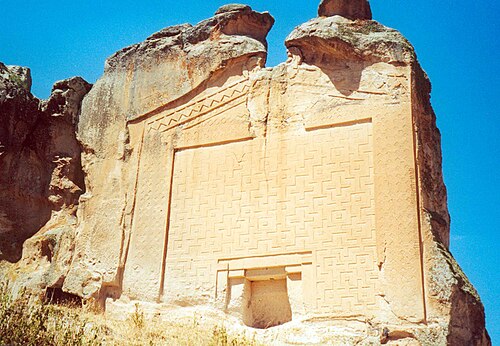
Tomb at ‘Midas City’, near Eskişehir (sixth century BC)

The Phrygian goddess Cybele with her attributes