Sarod
Videos
Photos
The sarod is a stringed instrument, used in Hindustani music on the Indian subcontinent. Along with the sitar, it is among the most popular and prominent instruments. It is known for a deep, weighty, introspective sound, in contrast with the sweet, overtone-rich texture of the sitar, with sympathetic strings that give it a resonant, reverberant quality. A fretless instrument, it can produce the continuous slides between notes known as meend (glissandi), which are important in Indian music.

A 19th century sarod, at the Metropolitan Museum of Art.

Lute in relief at Amaravati Stupa, 2nd century CE. The artwork was celebrating the Buddha and his mother.
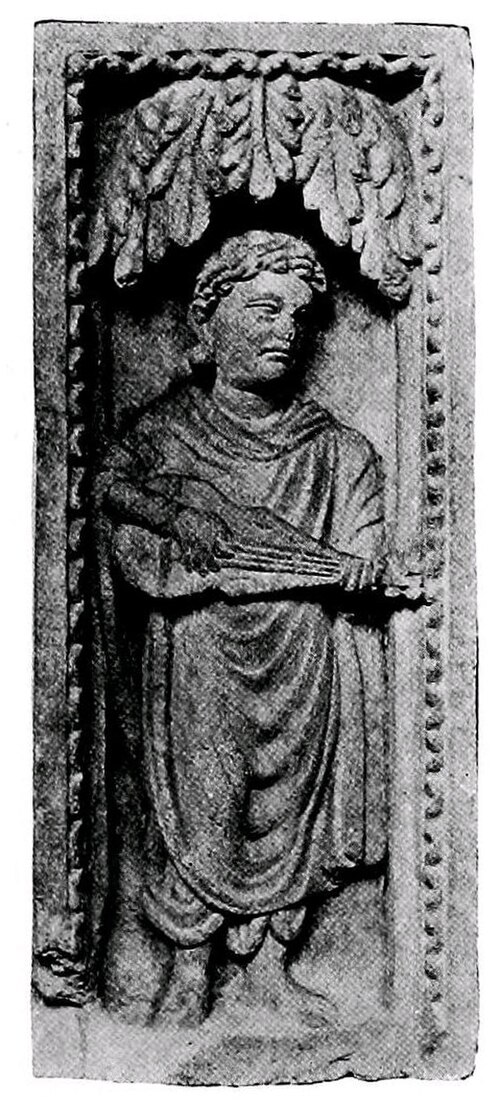
Kushan Empire, 1st to 3rd century. Lute or vina, from the Yusufzai district near Peshawar. Greco Buddhist (Gandhara School). Resembles rubab, sarod and tungna.

Mongolian lute, circa 1297, Tomb of Wang Qing, China
Sitar
Videos
Photos
The sitar is a plucked stringed instrument, originating from the Indian subcontinent, used in Hindustani classical music. The instrument was invented in medieval India, flourished in the 18th century, and arrived at its present form in 19th-century India. Khusrau Khan, an 18th-century figure of the Mughal Empire has been identified by modern scholarship as the inventor of the sitar. According to most historians, he developed the sitar from the setar, an Iranian instrument of Abbasid or Safavid origin. Another view supported by a minority of scholars is that Khusrau Khan developed it from Veena.

Sitar

19th-century sitar with 4 strings

19th-century sitar. This instrument does not have sympathetic strings.

Anatomy of a sitar