Secular Zionism
Videos
Secular Zionism is a variant of Zionism that advocates for the establishment and development of a Jewish homeland—primarily in Land of Israel—on the basis of Jewish national identity, culture, and his

The secular Zionist movement Hashomer Hatzair, Jerusalem, 2009

Theodor Herzl, founder of political Zionism, is commonly associated with secular Zionism, emphasizing Jewish national identity and statehood over religious doctrine.

The Bridge (Gesher) organized a debate on the cooperation between religious and secular Jews, 1974

Beachgoers in Tel Aviv, reflecting the comparatively secular lifestyle and relaxed social norms in parts of Israeli society.
Zionism
Videos
Zionism is an ethnic nationalist movement that emerged in late 19th-century Europe to establish and support a Jewish homeland through colonization in the region of Palestine, which roughly corresponds
Secular Zionism
…Secular Zionism is a variant of Zionism that advocates for the establishment and development of a Jewish homeland—primarily in Land of Israel—on the basis of Jewish national identity, culture…

Theodor Herzl was the founder of the modern Zionist movement. In his 1896 pamphlet Der Judenstaat, he envisioned the founding of a future independent Jewish state during the 20th century.
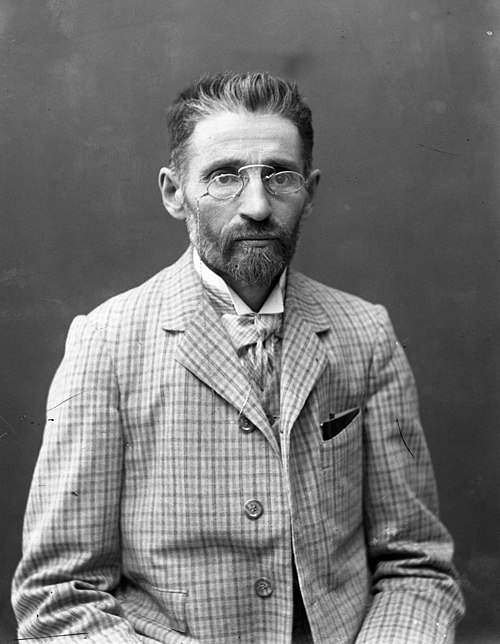
Eliezer Ben-Yehuda (1858–1922), founder and leader of the movement to revive the Hebrew language, is considered the father of Modern Hebrew.

"Memorandum to the Protestant Powers of the North of Europe and America", published in the Colonial Times (Hobart, Tasmania, Australia), in 1841

The first general assembly of the Society for the Support of Jewish Farmers and Artisans in Syria and Palestine, also known as the Odessa Committee, 1890