Shays's Rebellion
Videos
Shays's Rebellion was an armed uprising in Western Massachusetts and Worcester in response to a debt crisis among the citizenry and in opposition to the state government's increased efforts to collect

An illustration of Shays's troops repulsed from the armory in Springfield in early 1787

Populist Governor John Hancock refused to crack down on tax delinquencies and accepted devalued paper currency for debts.

Artist's depiction of protesters watching a debtor in a scuffle with a tax collector by the courthouse at Springfield, Massachusetts. The insurrection was a tax-related rebellion.
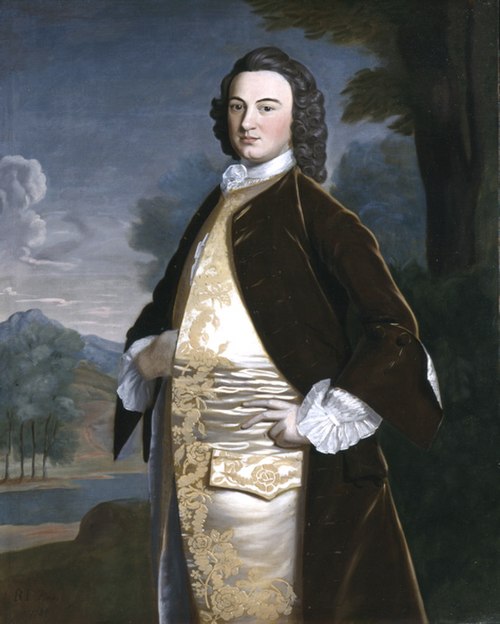
Governor James Bowdoin instituted a heavy tax burden and stepped up the collection of back taxes.
Articles of Confederation
Videos
The Articles of Confederation, officially the Articles of Confederation and Perpetual Union, was an agreement and early body of law in the Thirteen Colonies, which served as the nation's first constit
Shays's Rebellion
…in an unsuccessful attempt to seize its weaponry and overthrow the government. The federal government, severely limited in its prerogatives under the Articles of Confederation, found itself unable to finance troops to put down the rebellion; it was consequently put down by the Massachusetts State Militia under William Shepard…

Page I of the Articles of Confederation

1977 13-cent U.S. Postage stamp commemorating the Articles of Confederation bicentennial; the draft was completed on November 15, 1777

The Act of the Maryland legislature to ratify the Articles of Confederation, February 2, 1781

Preamble to Art. V, Sec. 1