Shiksha
Videos
Shiksha is one of the six Vedangas, or limbs of Vedic studies, dealing with phonetics and phonology in Sanskrit. The Sanskrit word IAST: śikṣā means 'instruction, lesson, learning, study of skill'. Pr

A page from the Yajnavalkya Shiksha manuscript (Sanskrit, Devanagari). This text is also called Vajasaneyi Shiksha and Traisvarya Lakshana.
Devanagari
Videos
Devanagari is an Indic script used in the Indian subcontinent. Also simply called Nāgarī, it is a left-to-right abugida, based on the ancient Brāhmī script. It is one of the official scripts of India
Shiksha
…Nandinagari Devanagari Annette Wilke; Oliver Moebus (2011). Sound and Communication: An Aesthetic Cultural History of Sanskrit Hinduism. Walter de Gruyter. ISBN 978-3-11-018159-3…

The Jñānēśvarī is a commentary on the Bhagavad Gita, dated to 1290 CE. It is in written in Marathi using the Devanāgarī script.

A mid-10th century Sanskrit land grant for a college, written in Devanāgarī, and discovered on a stone buried in north Karnataka. Parts of the inscription are written in Kannada script.
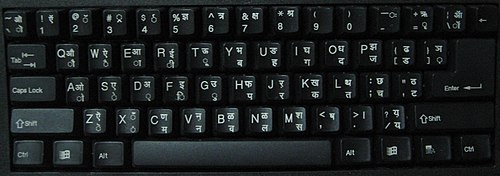
Devanāgarī INSCRIPT bilingual keyboard layout

Devanāgari Phonetic Keyboard Layout