Suruga Province
Videos
Suruga Province was an old province in the area that is today the central part of Shizuoka Prefecture. Suruga bordered on Izu, Kai, Sagami, Shinano, and Tōtōmi provinces; and was bordered by the Pacific Ocean through Suruga Bay to the south. Its abbreviated form name was Sunshū (駿州).

Sengoku period
Videos
The Sengoku period, also known as Sengoku Jidai is the period in Japanese history in which civil wars and social upheavals took place almost continuously in the 15th and 16th centuries. Although the Kyōtoku incident (1454), Ōnin War (1467) or Meiō incident (1493) are generally chosen as the Sengoku period's start date, there are many competing historiographies for its end date, ranging from 1568, the date of Oda Nobunaga's march on Kyoto, to the suppression of the Shimabara Rebellion in 1638, deep into what is traditionally considered the Edo period. Regardless of the dates chosen, the Sengoku period overlaps substantially with the Muromachi period (1336–1573).

Painting depicting a battle during the Ōnin War

Ōzutsu (Big Gun)
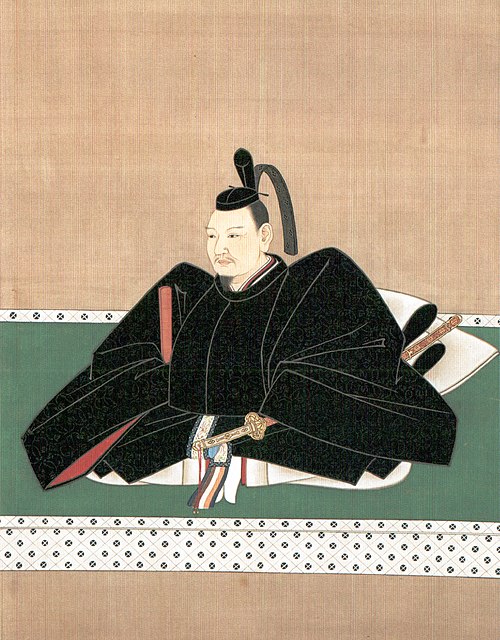
Hosokawa Masamoto
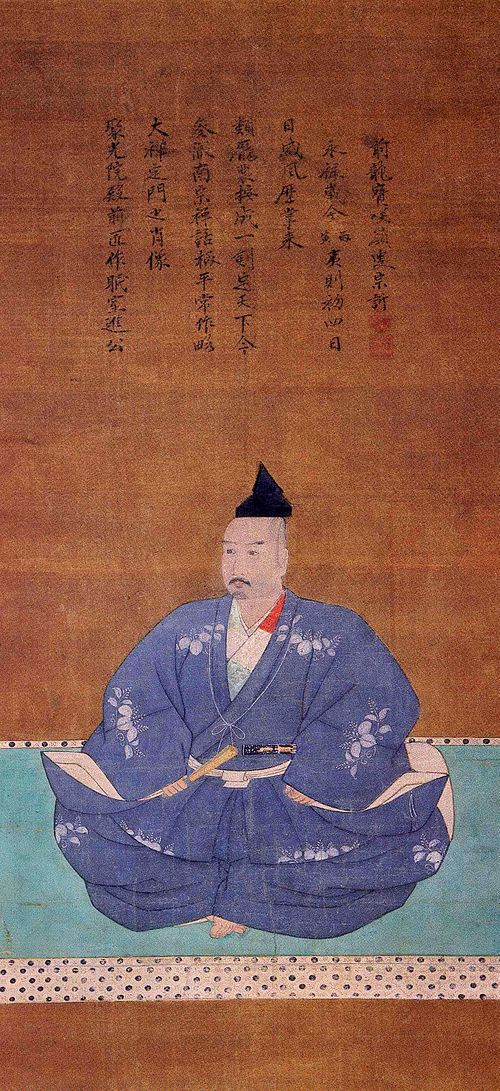
Miyoshi Nagayoshi