Symphony No. 9 (Beethoven)
Videos
The Symphony No. 9 in D minor, Op. 125, is a choral symphony, the final complete symphony by Ludwig van Beethoven, composed between 1822 and 1824. It was first performed in Vienna on 7 May 1824. The s
19th-century lithograph by Carl Offterdinger, depicting the premiere of the 9th Symphony. Beethoven stands in the center.


Theater am Kärntnertor in 1830

Portrait of Beethoven in 1824, the year his Ninth Symphony was premiered. He was almost completely deaf by the time of its composition.

Caroline Unger, who sang the contralto part at the first performance and is credited with turning Beethoven to face the applauding audience
Choral symphony
Videos
A choral symphony is a musical composition for orchestra, choir, and sometimes solo vocalists that, in its internal workings and overall musical architecture, adheres broadly to symphonic musical form
Symphony No. 9 (Beethoven)
…The Symphony No. 9 in D minor, Op. 125, is a choral symphony, the final complete symphony by Ludwig van Beethoven, composed between 1822 and 1824. It was first performed in Vienna on 7 May 1824. The symphony is…

Hector Berlioz was the first to use the term "choral symphony" for a musical composition—his Roméo et Juliette.
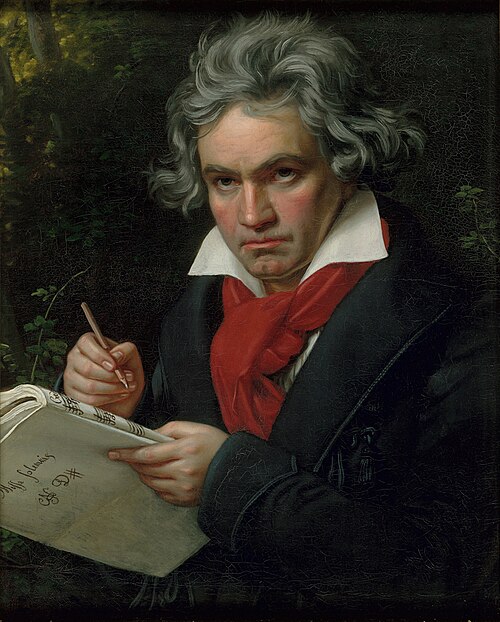
Ludwig van Beethoven redefined the symphony genre by introducing words and voices in his Ninth Symphony.

Walt Whitman's use of free verse became appreciated by composers seeking a more fluid approach to setting text.
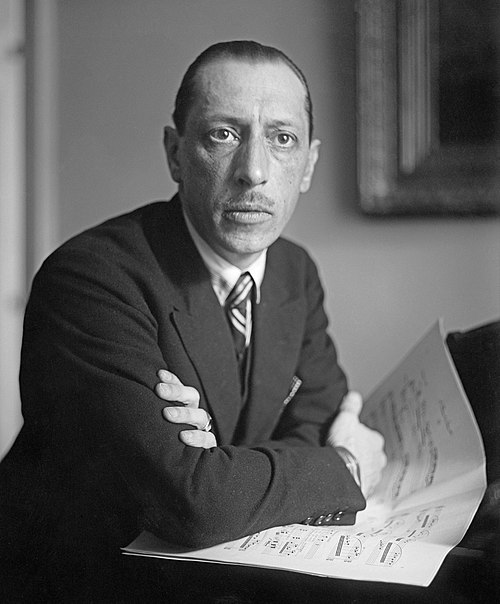
Igor Stravinsky used chorus and orchestra in his Symphony of Psalms "on an equal footing".