Synchronicity
Videos
Synchronicity is a concept introduced by Carl Jung, founder of analytical psychology, to describe events that coincide in time and appear meaningfully related, yet lack a discoverable causal connectio
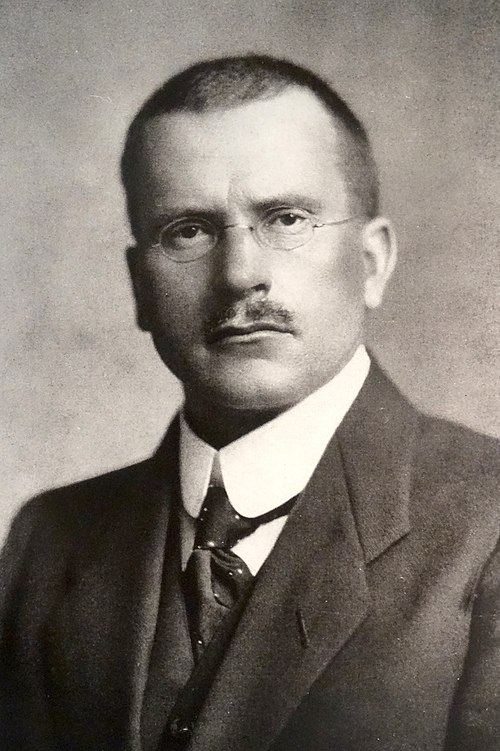
Carl G. Jung, who coined the term synchronicity between 1928 and 1930

Wolfgang Pauli

Astral configurations in astrology represent for Jung an example of synchronicity, that is, of a parallel, non-causal relationship between the development of celestial phenomena and those marked by terrestrial time.

A gold-coloured Cetonia aurata
Carl Jung
Videos
Carl Gustav Jung was a Swiss psychiatrist, psychotherapist, and psychologist who founded the school of analytical psychology. He was a prolific author of over twenty books, illustrator, correspondent,
Synchronicity
…Synchronicity (German: Synchronizität) is a concept introduced by Carl Jung, founder of analytical psychology, to describe events that coincide in time and appear meaningfully related, yet lack a discoverable causal connection…

Jung, c. 1935

Birthplace in Kesswil

The clergy house in Kleinhüningen, Basel, where Jung grew up

Jung as a child, early 1880s