Syriac literature
Videos
Syriac literature is the body of writing in Syriac, a literary dialect of Aramaic that developed around Edessa in northern Mesopotamia. In its narrower sense, the term refers to literature in Classica

A late fifth- or early sixth-century Syriac manuscript of Ephrem's Commentary on the Diatessaron, written in Estrangela script.
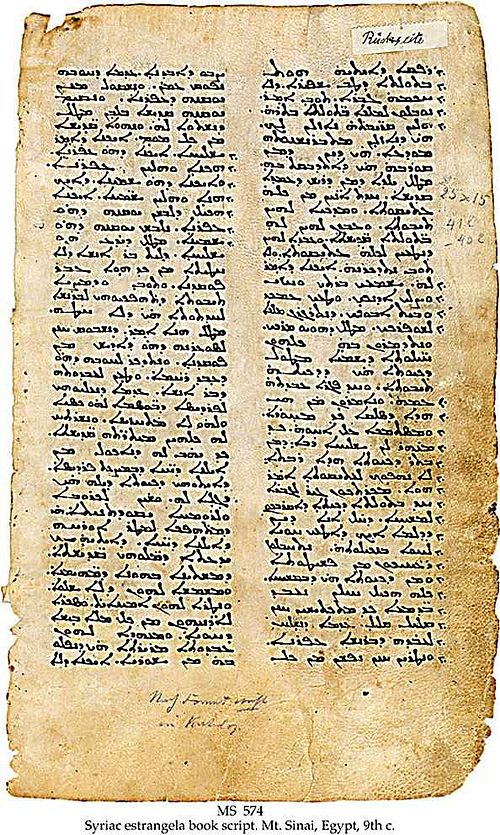
Page from a Syriac translation of Abba Isaiah's Asceticon, from a 6th-century manuscript in Estrangela script, from the Monastery of St Catherine, Mt Sinai (Schøyen Collection MS 574)

Mor Gabriel Monastery in Tur Abdin, one of the major monastic centers of the Syriac tradition.

A pre-1920 image from Urfa, ancient Edessa, one of the central cities associated with early Syriac Christianity and literature.
Barhebraeus
Videos
Gregory Barhebraeus or Bar Hebraeus, also known as Abu al-Faraj and in Latin, Abulpharagius, was the maphrian Catholicos of the East of the Catholicate of the East under the Syriac Orthodox Church fro
Barhebraeus absorbed in study


The Maragha Observatory in Iran

Ecumenical Memorial Plaque at Cologne Cathedral, depicting two clergymen exchanging symbols of unity

Syriac MS 11. (1699) by Barhebraeus, from his Nomocanon or "Book of Directions" (Kthobo d-Hudoye)