Teleology
Videos
Teleology or finality is a philosophical approach to discussing causality that explains causes in terms of ends, purposes, or goals.
Plato (left) and Aristotle, depicted here in The School of Athens, both developed teleological arguments addressing the universe's apparent order (logos)

Teleological argument
Videos
The teleological argument, also known as physico-theological argument, argument from design, or intelligent design argument, is a rational argument for the existence of God or, more generally, that co
Teleology
…1600–1900). Much of the discussion on teleology revolves around religion and the belief in a godly, purposeful existence for the world and for humans. See Teleological argument for an in-depth discussion on teleology and religion. In Western philosophy, the term and concept of teleology originated in the writings of Plato and…
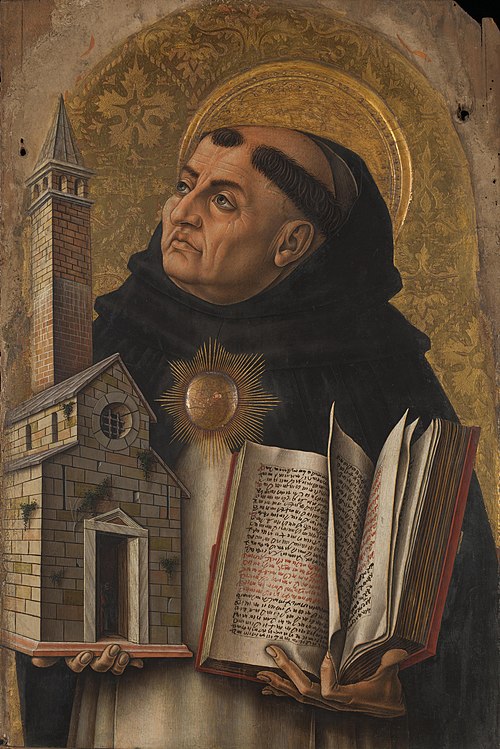
The fifth of Thomas Aquinas' proofs of God's existence was based on teleology.

David Hume outlined his criticisms of the teleological argument in his Dialogues Concerning Natural Religion.

Voltaire argued that, at best, the teleological argument could only indicate the existence of a powerful, but not necessarily all-powerful or all-knowing, intelligence.