Terracotta
Videos
Terracotta, also known as terra cotta or terra-cotta, is a clay-based non-vitreous ceramic fired at relatively low temperatures. The term is used for earthenware objects of certain types, as set out b
International Gothic Bohemian bust of the Virgin Mary; c. 1390–1395; terracotta with polychromy; 32.5 × 22.4 × 13.8 cm


A glazed terracotta casserole dish

Fragments of female terracotta figurines. Handmade, with appliquéd ornaments, especially elaborate coiffures and fan-shaped headdresses. From Mohenjo-daro (Pakistan), Mature Harappan Period (c. 2600–1900 BCE). British Museum.

Terracotta horses from Bishnupur, Bankura
Earthenware
Videos
Earthenware is glazed or unglazed nonvitreous pottery that has normally been fired below 1,200 °C. Basic earthenware, often called terracotta, absorbs liquids such as water. However, earthenware can b
Terracotta
…baked earth'; from Latin terra cocta 'cooked earth'), is a clay-based non-vitreous ceramic fired at relatively low temperatures. The term is used for earthenware objects of certain types, as set out below. Usage and definitions of the term vary, such as…
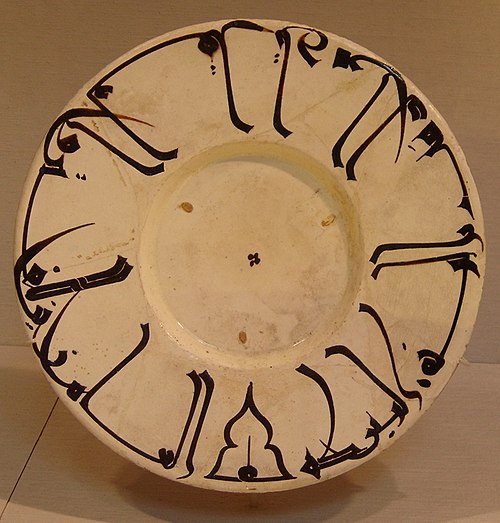
Painted, incised and glazed earthenware. Dated 10th century, Iran. New York Metropolitan Museum of Art

Top section of a water jug or habb. Earthenware. Late 12th-early 13th century Iraq or Syria. Brooklyn Museum

Tea served in a kulhar, which are disposable earthenware teacups in South Asia

Terracotta flower pots with terracotta tiles in the background