The Hump
Videos
The Hump was the name given by Allied pilots in the Second World War to the eastern end of the Himalayan Mountains over which they flew military transport aircraft from India to China to resupply the

Allied lines of communication in Southeast Asia (1942–43). The Hump airlift is shown at upper right.

C-47 Skytrain

Meili Snow Mountains, prominent landmark on the high Hump

Chabua Airfield. The white line at the top is the Brahmaputra River.
Barry Goldwater
Videos
Barry Morris Goldwater was an American politician and major general in the Air Force Reserve who served as a United States senator from 1953 to 1965 and 1969 to 1987, and was the Republican Party's no
The Hump
…Notable people involved in the Hump airlift, and their later careers, included: Maj. Gen. Barry Goldwater, Pilot and flight instructor, later US Senator and presidential nominee Col. Harry L. "Red" Clark (former Eastern area flight manager for American…
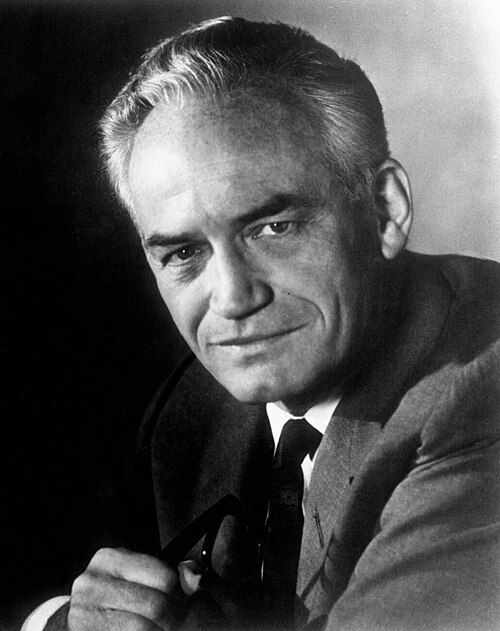
Goldwater in 1960

Goldwater as a major general in the United States Air Force, c. 1967

Goldwater's campaign portrait in the 1952 U.S. Senate campaign

Goldwater's informal press conference on August 7, 1974, following a meeting between Goldwater, U.S. Senate Minority Leader Hugh Scott, U.S. House Minority Leader John Jacob Rhodes, and President Richard Nixon to discuss the Watergate scandal and impeachment process. The following evening, on August 8, 1974, President Nixon announced his resignation in a nationally televised address.