Tierra del Fuego, officially the Province of Tierra del Fuego, Antarctica and South Atlantic Islands, is the southernmost and least populous Argentine province. The provincial capital city is Ushuaia.

View of the Tierra del Fuego National Park

Period impression of HMS Beagle navigating along Tierra del Fuego, 1833

A member of the Selkʼnam people, 1904. The Selkʼnam, or Ona, who traditionally placed great value on amiability, were the island's most numerous native people until their numbers were reduced by disease and genocide in the 19th and 20th centuries

Local sheep ranch, 1942. Sheep, the most important part of the economy by the turn of the 20th century, have been eclipsed by the decline in the global wool market and the rise in petroleum extraction
Argentine Antarctica
Videos
Argentine Antarctica is an area on Antarctica claimed by Argentina as part of its national territory. It consists of the Antarctic Peninsula and a triangular section extending to the South Pole, delim
Tierra del Fuego Province, Argentina
…includes Argentina's claims to the Falkland Islands and South Georgia and the South Sandwich Islands (which are British Overseas Territories) and to a segment of Antarctica that overlaps with the British and Chilean claims on that continent. Argentina has no effective control in these territories beyond its…

Location in Antarctica
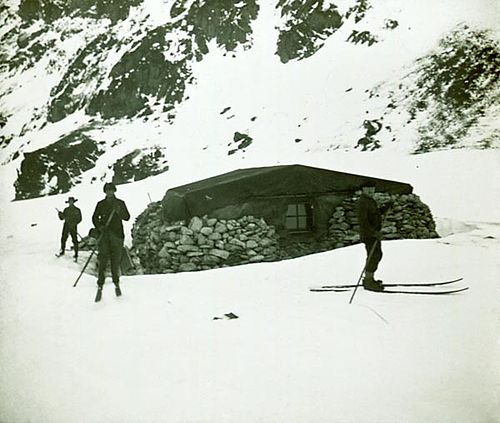
Omond House, Laurie Island, circa 1903.

The Brown Station established 6 April 1951 is the first Argentinian base on the Antarctic mainland.

A caterpillar tractor (a Tucker Sno-Cat) from the first Argentine expedition that reached the South Pole in 1965.