Tlatilco culture
Videos
Tlatilco culture is a culture that flourished in the Valley of Mexico between the years 1250 BCE and 800 BCE, during the Mesoamerican Early Formative period. Tlatilco, Tlapacoya, and Coapexco are the
Tlatilco Fisch


Two Tlatilco figurines, from the Manantial phase, 1000 - 800 BCE.

The "Acrobat", ceramic art from Tlatilco, dated 1200-900 BCE. This figurine's left knee has a hole for pouring liquid.

Usually associated with the Moche, this stirrup jar is from Tlatilco, 1100 - 800 BCE.
Olmecs
Videos
The Olmecs or Olmec were an early major Mesoamerican civilization, flourishing in the modern-day Mexican states of Veracruz and Tabasco from roughly 1200 to 400 BC during Mesoamerica's formative perio
Tlatilco culture
…period also saw a significant increase in long distance trade, particularly in iron ore, obsidian, and greenstone, trade which likely facilitated the Olmec influence seen within the culture, and may explain the discovery of Tlatilco-style pottery near Cuautla, Morelos, 90 miles (140 km) to the south…

Olmec Head No. 3 from San Lorenzo-Tenochtitlán; 1226 –900 BC; basalt; height: 1.8 m, length: 1.28 m, width: 0.83 m; Xalapa Museum of Anthropology (Xalapa, Mexico)

El Señor de las Limas; 1000–600 BC; greenstone; height: 55 cm; Xalapa Museum of Anthropology

The Wrestler; 1200–400 BC; basalt; height: 66 cm, from the Arroyo Sonso area (Veracruz, Mexico); Museo Nacional de Antropología. Olmec artists are known for both monumental and miniature portrayals of what are assumed to be persons of authority-from six-ton heads sculptures to figurines.
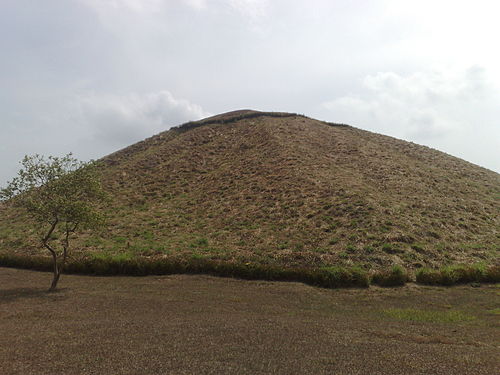
Great pyramid in La Venta, Tabasco