Tributary system of China
Videos
The tributary system of China, or Cefeng system at its height was a network of loose international relations centered around China which facilitated trade and foreign relations by acknowledging China'

A mural from the Qianling Mausoleum in Shaanxi, 706. Foreign ambassadors are being received at court. The bald man in the middle is from the West and the man to his right is from Silla.

The Portraits of Periodical Offering of Liang. Song Dynasty copy of 6th-century painting in National Museum of China. Tributary envoys from right to left: Uar (Hephthalites); Persia; Baekje (Korea); Qiuci; Wo (Japan); Langkasuka (in present-day Malaysia); Dengzhi (鄧至) (Qiang) Ngawa; Zhouguke (周古柯), Hebatan (呵跋檀), Humidan (胡密丹), Baiti (白題, similar to the Hephthalite people), who dwell close to Hephthalite; Mo (Qiemo). Original attributed to Xiao Yi.
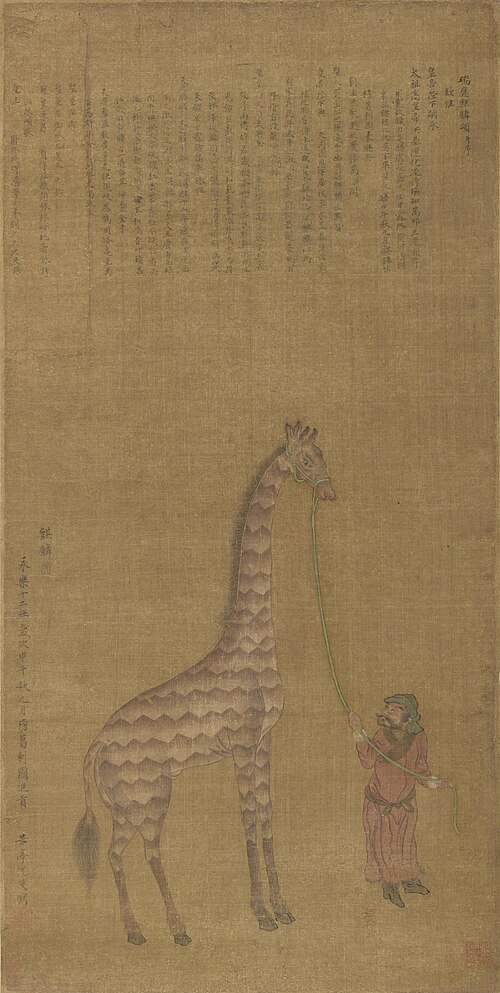
A Ming-era painting of a tribute giraffe, which was thought to be a Qilin by court officials, from Bengal

Kyrgyz deliver a white horse as a tribute to the Qianlong Emperor of China (1757), soon after the Qing conquest of Xinjiang. Soon, intensive trade started in Kulja and Chuguchak, Kyrgyz horses, sheep and goats being traded for Chinese silk and cotton fabrics.
Joseon
Videos
Joseon, officially Great Joseon State, was a dynastic kingdom of Korea that existed for 505 years. It was founded by Taejo of Joseon in 1392 and replaced by the Korean Empire in 1897. The kingdom was
Tributary system of China
…states to send tributary missions to the Ming capital, asserting the Ming emperor's position as Son of Heaven above all other rulers. The rulers of Joseon, in particular, sought to legitimize their rule through reference to Chinese symbolic authority. After the defeat of the Yuan dynasty in 1368, King…
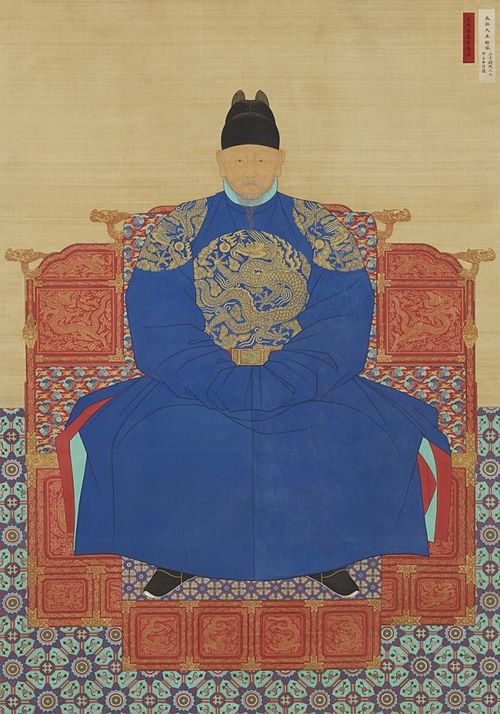
King Taejo's portrait
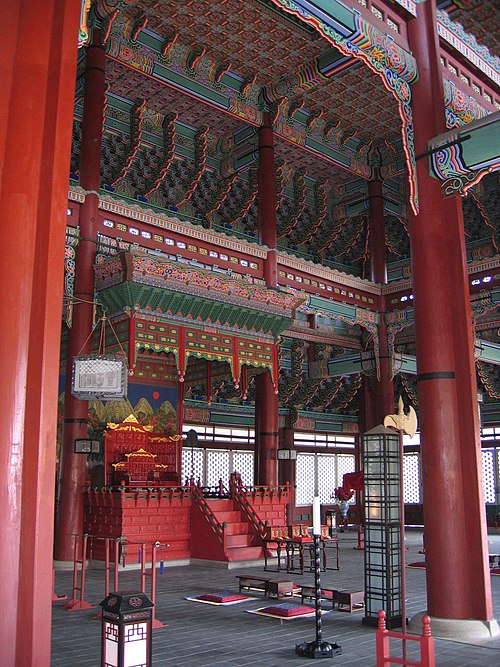
The throne room at Gyeongbokgung
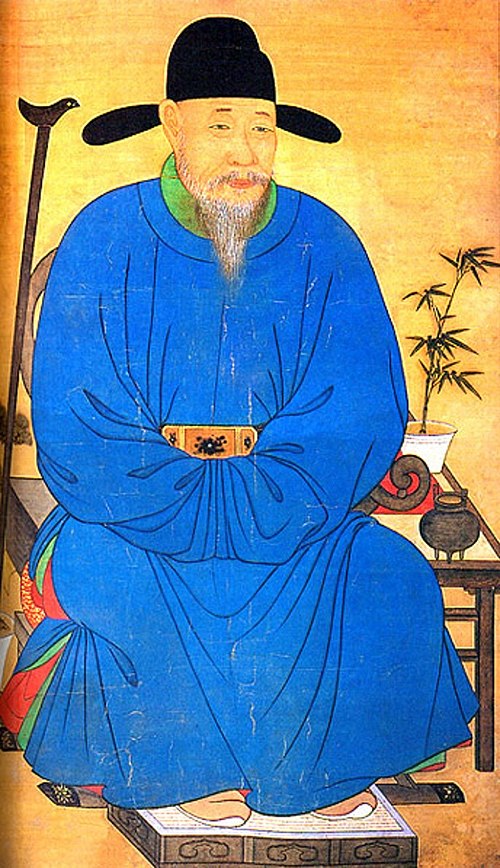
Portrait of Ha Yeon, who served as Chief State Councillor during King Sejong's reign

A page from the Hunmin Jeongeum Eonhae, a partial translation of Hunminjeongeum, the original promulgation of the Korean alphabet