Tronie
Videos
A tronie is a type of work in Dutch Golden Age painting and Flemish Baroque painting that depicts an exaggerated facial expression or people in costume. These works were not intended as portraits or c
The Smoker, Joos van Craesbeeck


Profile Head of an Old Woman, Jan Lievens

Peeckelhaering (The Merry Reveler), Frans Hals
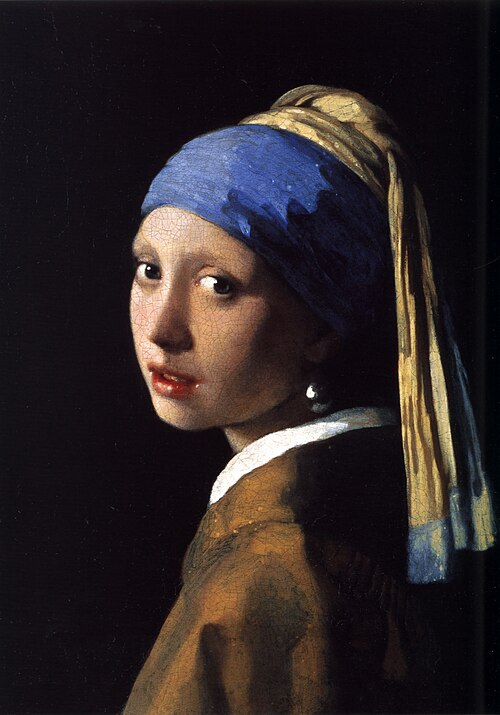
Johannes Vermeer, Girl with a Pearl Earring, c. 1665
Frans Hals
Videos
Frans Hals the Elder was a Dutch Golden Age painter. He lived and worked in Haarlem, a city in which the local authority of the day frowned on religious painting in places of worship but citizens like
Tronie
…The emergence of the tronie as the result of a reduction of larger compositions was also evident in the work of Frans Hals, a Haarlem painter. Some of Frans Hals's tronies are his best-known works such as the Gypsy Girl. Other Haarlem painters who painted tronies include Pieter de Grebber, Adriaen van Ostade and…

Copy of a Self-portrait by Hals

Frans Hals Singing Boy with Flute Google Art Project

Statue of Frans Hals in Florapark, Haarlem

Frans Hals, later finished by Pieter Codde. De Magere Compagnie. 1637. Oil on canvas, 209 x 429 cm, Rijksmuseum Amsterdam