Umbilical cord
Videos
In placental mammals, the umbilical cord is a conduit between the developing embryo or fetus and the placenta. During prenatal development, the umbilical cord is physiologically and genetically part o
Umbilical cord of a three-minute-old baby. A medical clamp has been applied.


Cross-sectional micrograph of the human umbilical cord. H&E stain. Labelled allantoic duct is also known as the urachus.

A knotted cord on a newborn baby

The umbilical cord is about to be cut with scissors via caesarean section
Navel
Videos
The navel is a protruding, flat, or hollowed area on the abdomen at the attachment site of the umbilical cord.
Umbilical cord
…the placenta, and opposite the distal part. The umbilical cord enters the fetus via the abdomen, at the point which (after separation) will become the navel (umbilicus or belly button). Within the fetus, the umbilical vein continues towards the transverse fissure of the liver (porta hepatis), where it splits…

The navel is a protruding, flat or hollowed scar left after the umbilical cord detaches.
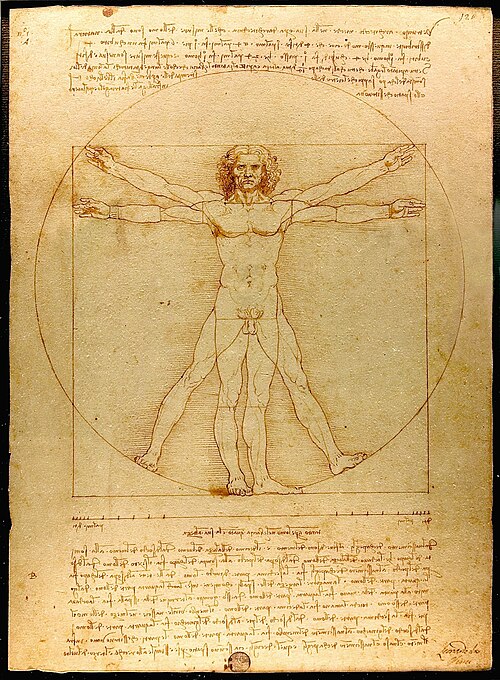
The navel is the centre of the circle in this drawing of the Vitruvian Man by Leonardo da Vinci.

A "T"-shaped "innie" navel

An oval navel