Uniform Civil Code
Videos
The Uniform Civil Code is a proposal in India to formulate and implement personal laws of citizens which apply equally to all citizens, regardless of their religion. Currently, personal laws of differ
Jawaharlal Nehru supported a uniform civil code but he had to face opposition from other leaders


Rajiv Gandhi's Congress party lost state-level elections in 1985 after it endorsed the Supreme Court's decision supporting Bano but later reversed its stand.
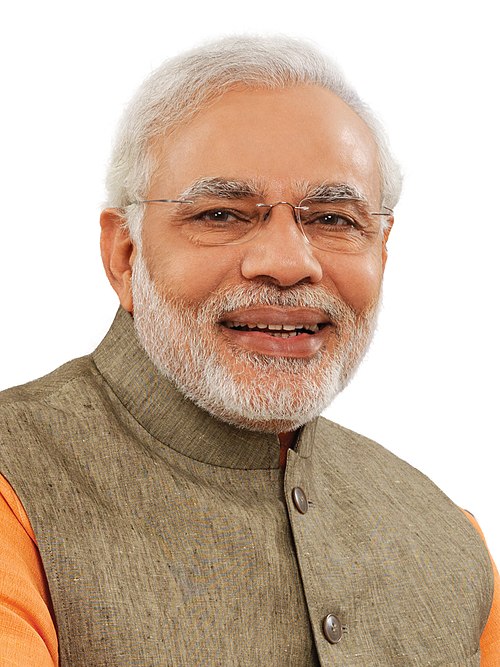
Prime Minister of India Narendra Modi
Hindutva
Videos
Hindutva is a Hindu nationalist political ideology. Formulated by Vinayak Damodar Savarkar in Essentials of Hindutva in 1923, it is primarily espoused by the Rashtriya Swayamsevak Sangh, the Vishva Hi
Uniform Civil Code
…Parliament proposed a bill to protect their personal law in the parliament. The Congress reversed its previous position and supported this bill while the Hindu right, the Left, Muslim liberals and women's organisations strongly opposed it. The Muslim Women's (Protection of Rights on Divorce) was passed in 1986, which…

Vinayak Damodar Savarkar, the founder of Hindutva

M. S. Golwalkar was the second Sarsanghchalak (Chief) of the Rashtriya Swayamsevak Sangh. One of the most influential Hindutva thinkers, Golwalkar was among the first to put forward the concept of "Hindu Rashtra" (Hindu Nation).