The United Kingdom of Portugal, Brazil and the Algarves was a pluricontinental monarchy formed by the elevation of the Portuguese colony named State of Brazil to the status of a kingdom and by the sim

Brazil 1816 960 reis, Overstruck over Spanish 8 Reales.

The acclamation of King João VI of the United Kingdom of Portugal, Brazil and the Algarves in Rio de Janeiro

King John disembarks in Lisbon in 1821, after 13 years in Brazil

The Cortes of the United Kingdom of Portugal, Brazil and the Algarves assembled in Lisbon in the wake of the 1820 Portuguese Revolution.
Kingdom of the Algarve
Videos
The Kingdom of the Algarve was a nominal kingdom within the Kingdom of Portugal, located in the southernmost region of continental Portugal. From 1471 onwards it came to encompass Portugal's holdings
United Kingdom of Portugal, Brazil and the Algarves
…colony named State of Brazil to the status of a kingdom and by the simultaneous union of that Kingdom of Brazil with the Kingdom of Portugal and the Kingdom of the Algarves, constituting a single state consisting of three kingdoms. The United Kingdom of Portugal, Brazil and the Algarves was formed in 1815, following the…

The Arch of Rest in Faro, where Afonso III of Portugal legendarily rested after the "end of the Reconquista".

A caricature of year 1833 showing the clash between Miguel I of Portugal and Pedro IV of Portugal, which caused turmoil in the Algarve

Henrique o Rei
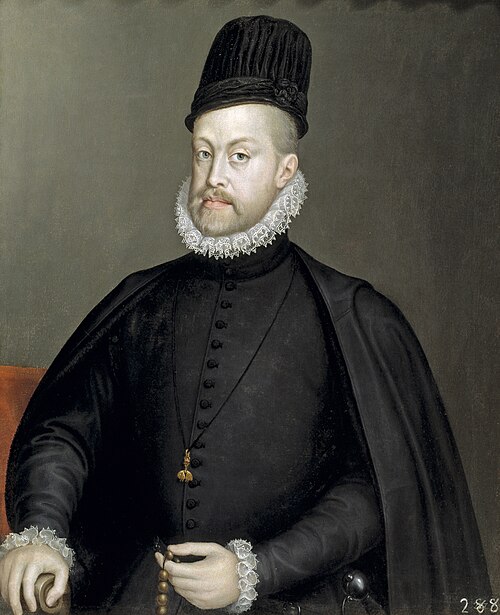
Portrait of Philip II of Spain by Sofonisba Anguissola 002b