United States Bill of Rights
Videos
The United States Bill of Rights comprises the first ten amendments to the United States Constitution. It was proposed following the often bitter 1787–88 debate over the ratification of the Constituti
First page of an original copy of the twelve proposed articles of amendment, as passed by Congress and engrossed by William Lambert


On June 5, 1788, Patrick Henry spoke before Virginia's ratification convention in opposition to the Constitution.

James Madison, primary author and chief advocate for the Bill of Rights in the First Congress

The Declaration of Independence and the Constitution on display in the Library of Congress prior to the removal to the National Archives
The First Amendment to the United States Constitution prevents Congress from making laws respecting an establishment of religion; prohibiting the free exercise of religion; or abridging the freedom of
United States Bill of Rights
…the press; or the right of the people peaceably to assemble, and to petition the Government for a redress of grievances. Ratified: December 15, 1791 First Amendment Fourth Article: The Freedom of Speech, and of the Press, and the right of the People peaceably to assemble, and consult for their common good, and to…

The hand-written copy of the proposed articles of amendment passed by Congress in 1789, cropped to show just the text in the third article that would later be ratified as the First Amendment
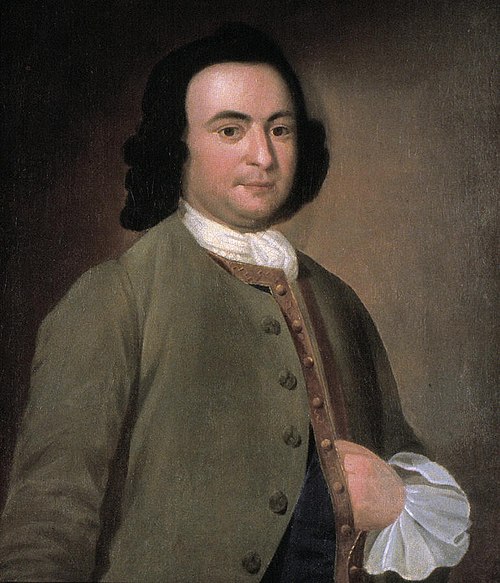
George Mason was the principal author of the Virginia Declaration of Rights, adopted by the Fifth Virginia Convention on June 12, 1776.

The Maryland Toleration Act secured religious liberty in the English colony of Maryland. Similar laws were passed in the Rhode Island and Providence Plantations, Connecticut and Pennsylvania. These laws stood in direct contrast with the Puritan theocratic rule in the Plymouth and Massachusetts Bay colonies.