Universities' Mission to Central Africa
The Universities' Mission to Central Africa was a missionary society established by members of the Anglican Church within the universities of Oxford, Cambridge, Durham, and Dublin. It was firmly in the Anglo-Catholic tradition of the Church, and the first to devolve authority to a bishop in the field rather than to a home committee. Founded in response to a plea by David Livingstone, the society established the mission stations that grew to be the bishoprics of Zanzibar and Nyasaland, and pioneered the training of black African priests.
St Peter's Church, Likoma, was built by the UMCA
David Livingstone was a Scottish physician, Congregationalist, pioneer Christian missionary with the London Missionary Society, and an explorer in Africa. Livingstone was married to Mary Moffat Livingstone, from the prominent 18th-century Moffatt missionary family. Livingstone came to have a mythic status that operated on a number of interconnected levels: Protestant missionary martyr, working-class "rags-to-riches" inspirational story, scientific investigator and explorer, imperial reformer, anti-slavery crusader, and advocate of British commercial and colonial expansion. As a result, Livingstone became one of the most popular British heroes of the late 19th-century Victorian era.
Livingstone in 1864
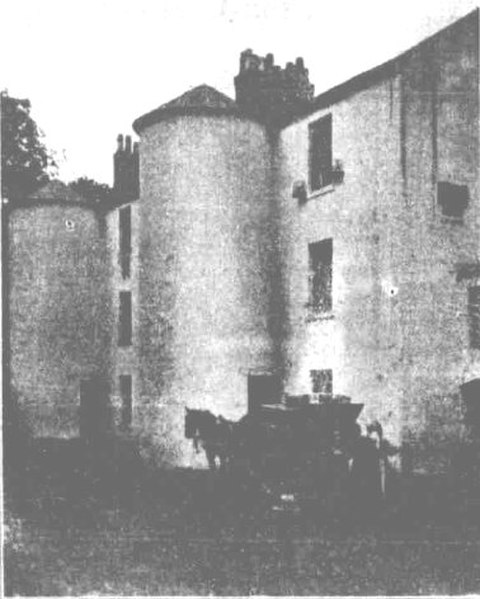
Livingstone's birthplace in Blantyre, South Lanarkshire, South Lanarkshire, Scotland
David Livingstone's birthplace, with period furnishings
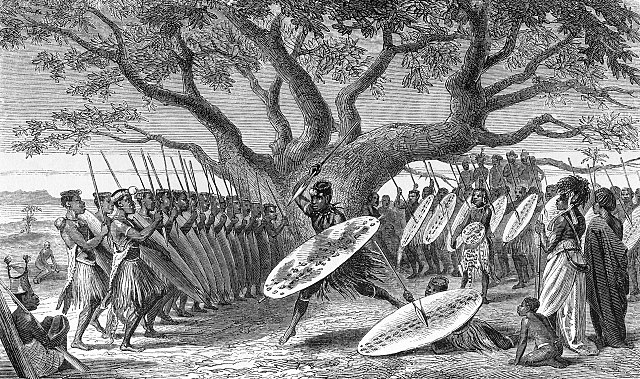
Zulu dance, at Shupanga on the Zambesi to collect tribute from Portuguese merchants.