The University of the Witwatersrand, Johannesburg, commonly known as Wits University or Wits, is a leading multi-campus public research university situated in the economic hub of Johannesburg, South A

Logo for the University of the Witwatersrand, Johannesburg

The Great Hall, part of Robert Sobukwe Block, was officially opened in 1940 and has since become the ceremonial heart of Wits.

The Gavin Reilly Green on West Campus

The Science Stadium, on West Campus, completed in 2012
Nelson Mandela
Videos
Nelson Rolihlahla Mandela was a South African anti-apartheid revolutionary, politician, and philanthropist, who served as President of South Africa from 1994 to 1999. He was the country's first black
University of the Witwatersrand
…Mpumalanga conducts longitudinal research in science, health, social and economic areas, which can for example, be compared to data in urban settings. Nelson Mandela was one of four Nobel laureates that emanate from Wits - the others were Sir Sydney Brenner, Aaron Klug, and Nadine Gordimer, alongside several other…

Mandela in 1994
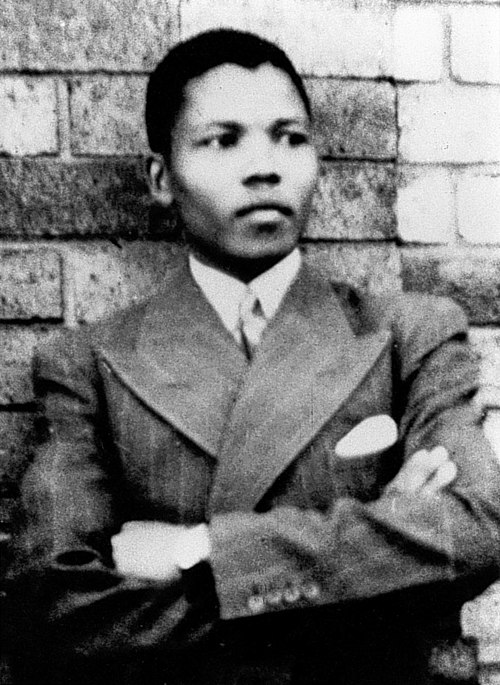
Mandela in Umtata, 1937

Mandela and Evelyn in July 1944 at Walter and Albertina Sisulu's wedding party in the Bantu Men's Social Centre

Mandela's former home in the Johannesburg township of Soweto