Western stereotype of the male ballet dancer
Videos
Photos
Since the early 19th century, the Western world has adopted a view of male ballet dancers, or danseurs as weak, effeminate or homosexual. Through gender expectations and performance, male ballet dancers combat the stereotypes that surround them. Through education and media exposure, the stereotypes about male ballet dancers lead to changes in perception.

Male ballet dancers are often expected to focus on power in their dancing technique

Charles Didelot (center) dances in Alonzo e Caro (1796)
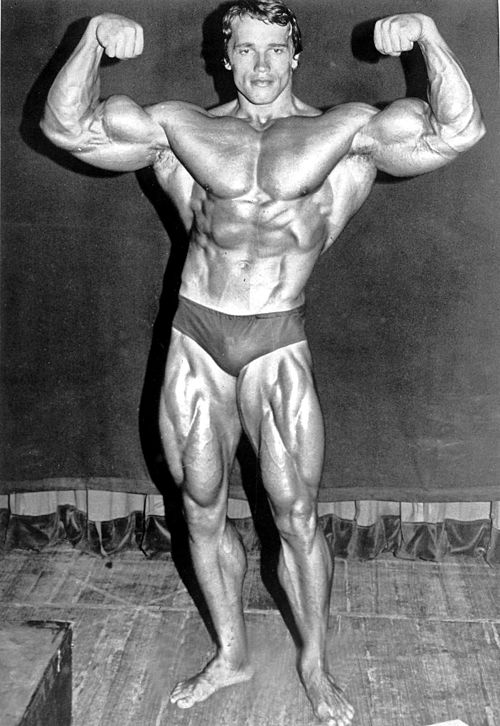
At the age of 22, bodybuilder Arnold Schwarzenegger took ballet lessons to help his posing style in Mr. Universe competitions

A group of men dressed as drag ballerinas for a comedy act (1953)
Ballet
Videos
Photos
Ballet is a type of performance dance that originated during the Italian Renaissance in the fifteenth century and later developed into a concert dance form in France and Russia. It has since become a widespread and highly technical form of dance with its own vocabulary. Ballet has been influential globally and has defined the foundational techniques which are used in many other dance genres and cultures. Various schools around the world have incorporated their own cultures. As a result, ballet has evolved in distinct ways.
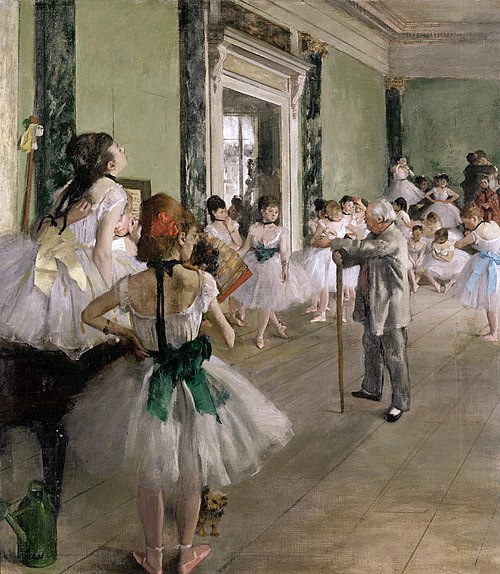
Classical bell tutus in The Ballet Class by Degas, 1874
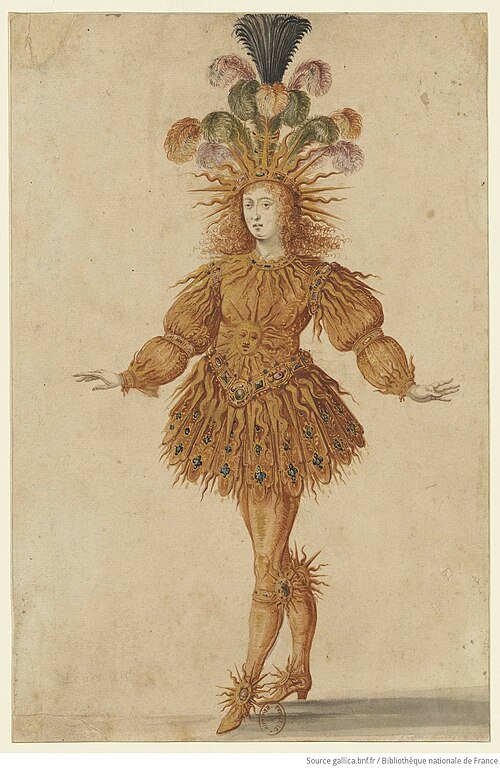
Louis XIV as Apollo in the Ballet Royal de la Nuit (1653)

Marie Sallé, classical ballet dancer

The Valse des cygnes from Act II of the Ivanov/Petipa edition of Swan Lake