Williamite War in Ireland
Videos
The Williamite War in Ireland took place from March 1689 to October 1691. Fought between Jacobite supporters of James II and those of his successor, William III, it resulted in a Williamite victory. I

Battle of the Boyne by Jan van Huchtenburg
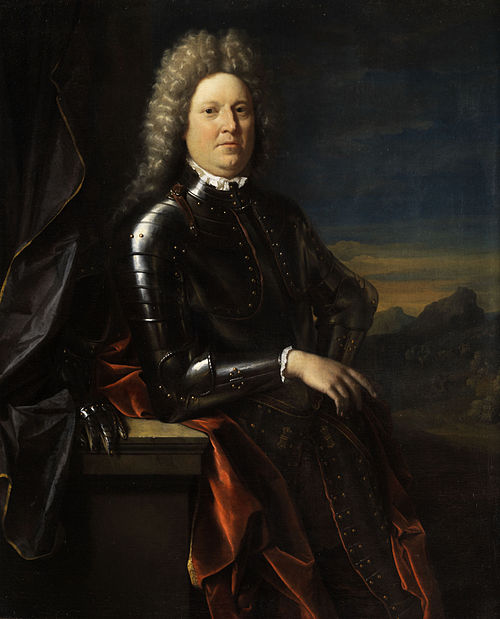
Schomberg (1615–1690), Williamite commander in Ireland; immensely experienced, he was a Marshal of France, England and Portugal.
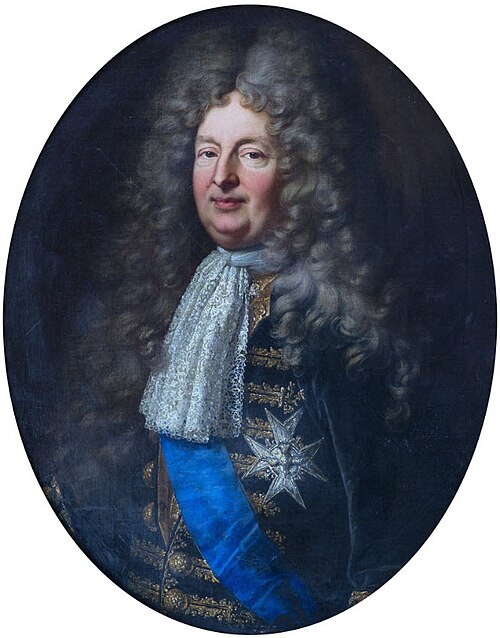
French envoy d'Avaux, whose relationship with the Irish was one of mutual mistrust and dislike

The Boyne; a narrow Williamite victory, in which Schomberg was killed (bottom right)
Jacobitism
Videos
Jacobitism was the name for a political movement active from 1688 to the end of the 18th century. Its primary objective was the restoration of the exiled House of Stuart to the British throne. It was
Williamite War in Ireland
…The Williamite War in Ireland took place from March 1689 to October 1691. Fought between Jacobite supporters of James II and those of his successor, William III, it resulted in a Williamite victory. It is generally viewed as a related conflict of…

James Francis Edward Stuart, Jacobite claimant between 1701 and 1766

'The True Law of Free Monarchies;' James VI and I's political tract formed the basis of Stuart ideology

Charles I, whose policies caused instability throughout his three kingdoms
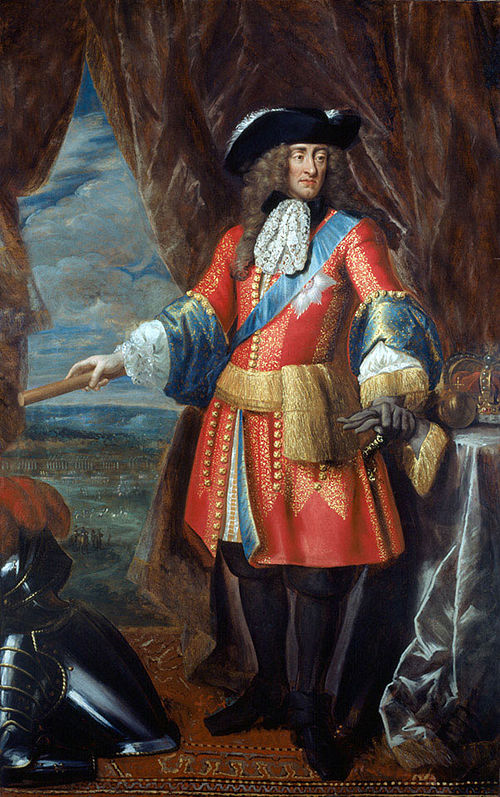
James II, 1685, dressed in military uniform