Work (physics)
Videos
In science, work is the energy transferred to or from an object via the application of force along a displacement. In its simplest form, for a constant force aligned with the direction of motion, the
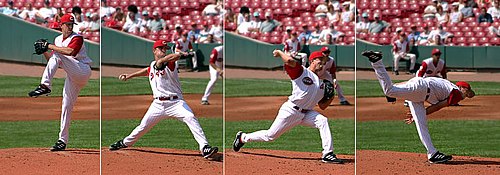
A baseball pitcher does positive work on the ball by applying a force to it over the distance it moves while in his grip.

Lotus type 119B gravity racer at Lotus 60th celebration

Gravity racing championship in Campos Novos, Santa Catarina, Brazil, 8 September 2010
Force
Videos
In physics, a force is an action that can cause an object to change its velocity or its shape, or to resist other forces, or to cause changes of pressure in a fluid. In mechanics, force makes ideas li
Work (physics)
…In science, work is the energy transferred to or from an object via the application of force along a displacement. In its simplest form, for a constant force aligned with the direction of motion, the work equals the product of the force strength…
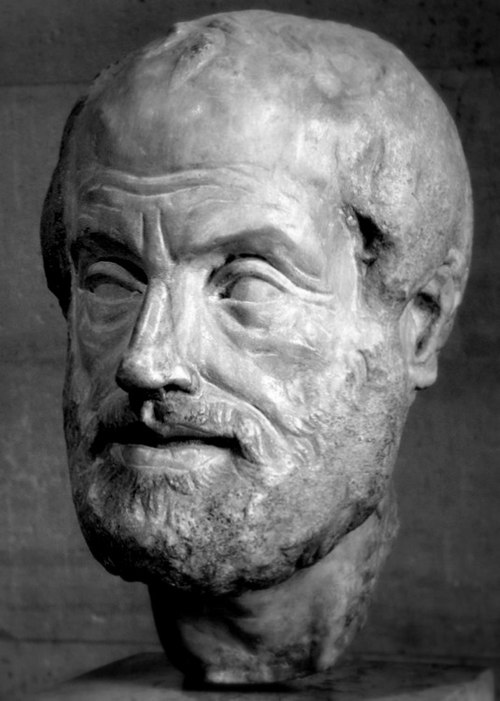
Aristotle famously described a force as anything that causes an object to undergo "unnatural motion"

Sir Isaac Newton in 1689. His Principia presented his three laws of motion in geometrical language, whereas modern physics uses differential calculus and vectors.

Galileo Galilei was the first to point out the inherent contradictions contained in Aristotle's description of forces.
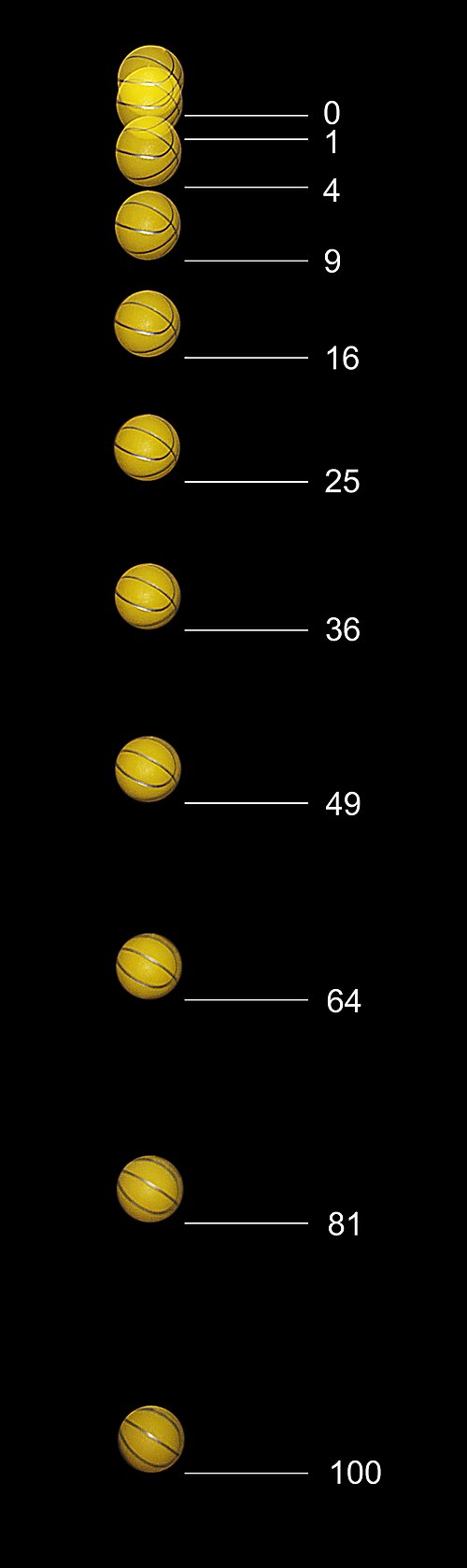
Images of a freely falling basketball taken with a stroboscope at 20 flashes per second. The distance units on the right are multiples of about 12 millimeters. The basketball starts at rest. At the time of the first flash (distance zero) it is released, after which the number of units fallen is equal to the square of the number of flashes.