World Heritage Site
Videos
World Heritage Sites are landmarks and areas with legal protection under an international treaty administered by UNESCO for having cultural, historical, or scientific significance. The sites are judge
UNESCO World Heritage plaque at Takht-e Soleymān in Iran


Site No. 252: Taj Mahal in India, an example of a cultural heritage site

Site No. 156: Serengeti National Park in Tanzania, a natural heritage site

Site No. 274: Historic Sanctuary of Machu Picchu in Peru, an example of a mixed (natural and cultural) heritage site
UNESCO
Videos
The United Nations Educational, Scientific and Cultural Organization is a specialized agency of the United Nations with the aim of promoting world peace and security through international cooperation
World Heritage Site
…World Heritage Sites are landmarks and areas with legal protection under an international treaty administered by UNESCO for having cultural, historical, or scientific significance. The sites are judged to contain "cultural and natural heritage around the world considered…
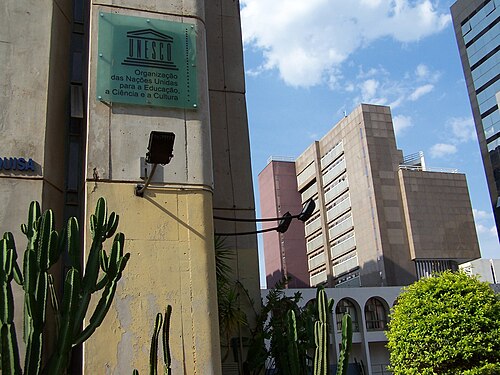
UNESCO offices in Brasília.
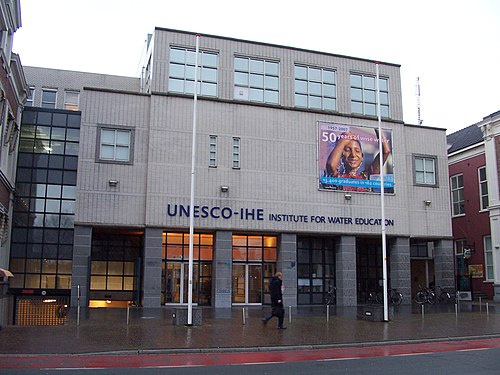
UNESCO Institute for Water Education in Delft

Main conference room at UNESCO headquarters (Paris).

Carondelet Palace, Presidential Palace – with changing of the guards. The Historic Center of Quito, Ecuador, is one of the largest, least-altered and best-preserved historic centres in the Americas. This centre was, together with the historic centre of Kraków in Poland, the first to be declared World Heritage Site by UNESCO on 18 September 1978.