Yoga
Videos
Yoga is a group of physical, mental, and spiritual practices or disciplines that originated with its own philosophy in ancient India, aimed at controlling body and mind to attain liberation, as practi

Statue of Shiva performing yoga in the lotus position

A statue of Patanjali, author of the Yoga Sutras of Patanjali, meditating in the lotus position
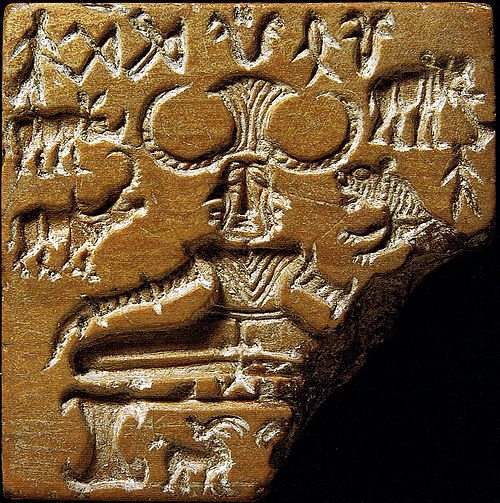
The Pashupati seal from the Indus Valley Civilisation (3300 BCE) shows a seated figure, surrounded by animals, in a posture that was thought by 20th century scholars to be Mulabandhasana. This is rejected by more recent scholars.

Bas-relief in Borobudur of the Buddha becoming a wandering hermit instead of a warrior
Tantra
Videos
Tantra, is an esoteric yogic tradition. It was developed in the Indian subcontinent, beginning in the middle of the 1st millennium CE; initially within Shaivism and Shaktism practices, and subsequentl
Yoga
…by Buddhism, dates to the early centuries of the Common Era. Hatha yoga texts began to emerge between the ninth and 11th centuries, originating in Tantra. Much of the yoga in the Western world is a modern syncretised form consisting largely of asanas, derived from hatha yoga and western physical culture…

A Buddhist dhāraṇī (incantation), the Nilaṇṭhanāmahṛdaya dhāraṇī, in Siddham Script with Chinese transliteration

Kushan sculpture of a yakṣiṇī (2nd century), Mathura region

A modern aghori with a skull-cup (Kapala). Their predecessors, the medieval Kapalikas ("Skull-men") were influential figures in the development of transgressive or "left hand" Shaiva tantra.

Dancing Bhairava in the Indian Museum, Kolkata